
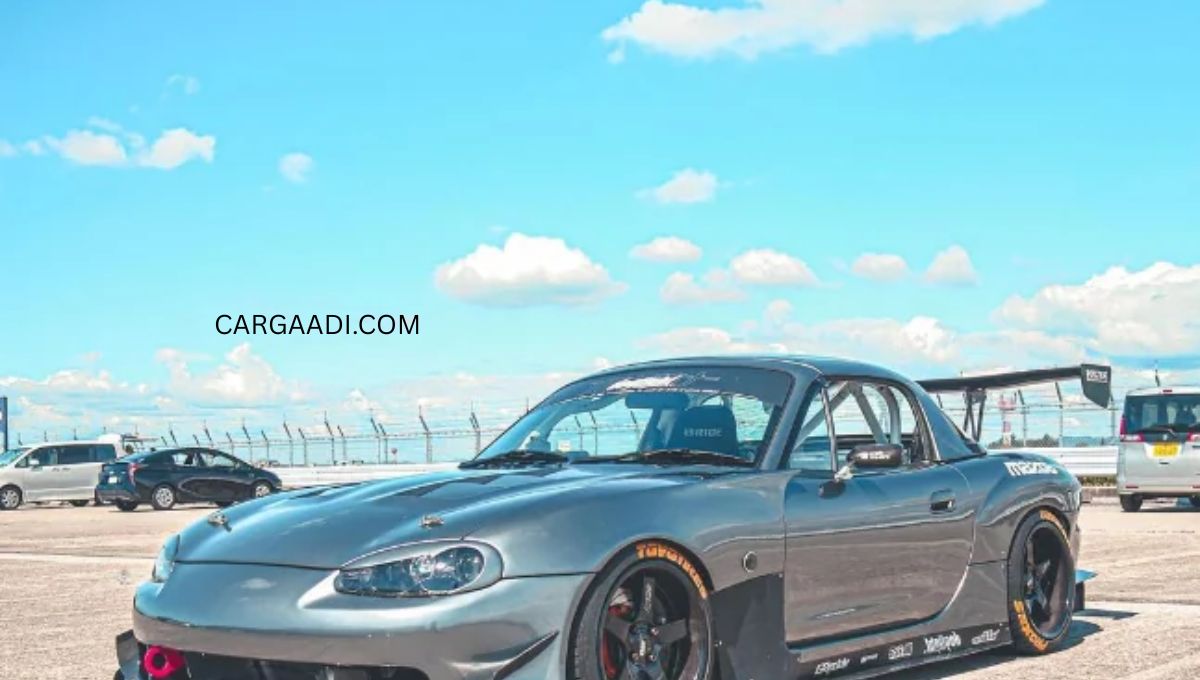
Buying a used sports convertible like the NB-generation Miata can be rewarding — but also risky if you don’t check properly. Below are the top four aspects you should carefully inspect (and negotiate) when considering a used NB Miata in the U.S. — along with typical specs and price references for context.
#1: Rust, Body & Chassis Integrity — Especially Underbody and Soft-Top Areas
Because many NB Miatas are older (late 1990s to mid-2000s), rust and body-chassis issues are among the most common problems.
- Underbody and sills: Check the frame rails, rockers, floor pans, and “tub/rocker” area for rust or previous repair. Miatas are often driven in rain/snow or salted roads, and salt + age can lead to corroded sills that may compromise structural integrity.
- Wheel arches, door bottoms, and trunk well: These are common rust-prone spots. Pay attention to bubbling paint, uneven surfaces, or evidence of patchwork — these may hide previous rust repairs.
- Soft-top/convertible-top frame & seals: Ensure the top operates smoothly (raises/lowers), check for leaks or degraded seals, and review the condition of the frame (no bends or rust). A leaky or brittle top can lead to interior water damage and costly replacement.
- Accident history / repaired chassis: Look for mismatched welds, uneven panel gaps, or signs of previous collision repair. A well-maintained Miata should have clean, consistent panel alignment.
-

NB Miata
In short: a clean, rust-free chassis and well-maintained top are essential. They guarantee safety, longevity, and reduce future expenditure.
#2: Engine, Transmission, and Drivetrain Condition — Timing-belt, Leakage, and Performance
The NB Miata’s reputation for a reliable 1.8 L (or 1.6 L in earlier versions) inline-4 engine comes with caveats — neglect can lead to costly repairs.
- Timing-belt and water-pump service history: If the car has the 1.8 L engine, ensure the timing belt has been replaced as per maintenance schedule (typically every 60-100k miles), along with the water pump. Failure can cause catastrophic engine damage.
- Oil leaks or coolant leaks: Check under the engine and around the head gasket area. Look for oil seepage, wet spots, or irregular fluid levels. Persistent leaks may indicate neglect or upcoming repair needs.
- Transmission & differential behavior: If it’s a manual (common for Miatas), test the gearbox for smooth shifting across all gears, especially second-to-third and third-to-fourth shifts. Listen for grinding or crunching noises. Also assess clutch feel: excessive slip or harsh engagement may signal clutch wear.
- Overall drivability: During a test drive, check engine responsiveness, idle smoothness, any knocks or vibrations, and how the car handles under acceleration and braking. A properly maintained NB Miata should feel lively, smooth, and balanced — true to its sports car character.
A well-maintained drivetrain ensures reliability and preserves the fun-to-drive nature Miatas are beloved for.

#3: Suspension, Steering and Undercarriage — Look for Wear, Repairs, or Modifications
Used sport cars often see spirited driving. The NB Miata is no exception. This can stress suspension components, steering rack, bushings — so careful inspection is required:
- Suspension bushings and control arms: Worn bushings create sloppy handling, excess play in corners, and uneven tyre wear. Knock or bounce the suspension and listen for excessive clunks or creaks.
- Shock absorbers / dampers / struts: Check for leaks, weak rebound, or excessive bounce after pressing each corner. Replacing shocks or struts may be necessary if the ride feels soft or bouncy.
- Steering rack and tie rods: Test for smooth, precise steering. Excess play or wandering may signal worn rack or tie-rod ends; potentially a serious issue if alignment and geometry are compromised.
- Frame and undercarriage previous damage or patch-ups: Look for welded joints, replaced panels, or fresh undercoating which might be used to cover damage. A thorough underbody inspection (ideally on a lift) helps — especially for cars driven on rough roads or under spirited conditions.
Good suspension and steering components are critical for Miata’s famed handling and driving dynamics. A compromised undercarriage or worn suspension reduces safety and driving enjoyment.
#4: Documentation, Maintenance History & Market Price — Know What You’re Paying For
Before finalizing a purchase, you must cross-check documentation, service history, and compare market price to avoid surprises.
- Service history and maintenance receipts: Look for documented timing-belt changes, regular oil & fluid changes, clutch or brake works, top replacements or soft-top maintenance, suspension servicing, and any major repairs. A well-documented history often means better long-term reliability.
- Accident history / previous owners: Use services like vehicle history reports (e.g. CARFAX or equivalent) to check for accidents, title issues, salvage history, or frame damage. Multiple owners or salvage history often reduce resale value and may signal underlying problems.
- Market value and fair pricing: NB Miatas 20+ years old sell widely across the U.S. Check current market rates for similar mileage, condition, and location — that gives you negotiation leverage. If the price is unusually low, dig deeper for hidden issues; if high, ensure the car is pristine with documented history.
- Insurance, parts availability, and mods: Check if there are aftermarket modifications (suspension lowers, engine mods, roll bars) — which may impact insurance or make the ride harsher. Also ensure that parts (especially for older or rare variants) are still available and not exorbitantly priced.
Good documentation and proper valuation help avoid future hassles and ensure you pay a fair price for a car you can enjoy long-term.