
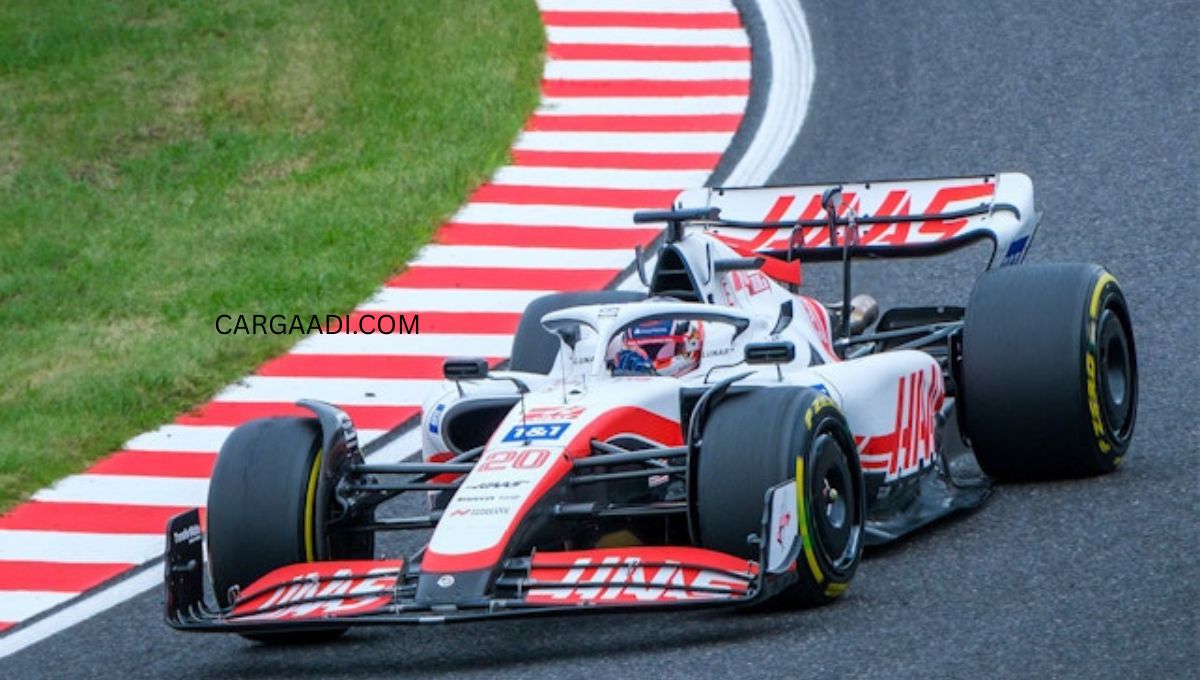
In the high-stakes world of Formula 1 racing,the Haas F1 Team stands out as a comparatively young entry — yet one that has quickly carved a niche. Founded with the intent to bring American presence back to F1 (via an American-run constructor), Haas has drawn attention with its bold ambition, strategic partnerships, and roller-coaster performance. In this article, we explore the origins of Haas F1, its structure, performance highlights, challenges, and what to expect going forward in 2025 and beyond.
Origins & Structure of Haas F1
The Haas F1 Team was launched in 2016 by industrialist and NASCAR team owner Gene Haas — the founder of the American CNC-machining firm. The vision: to build a competitive Formula 1 team from the ground up, combining American ambition with European technical collaboration.
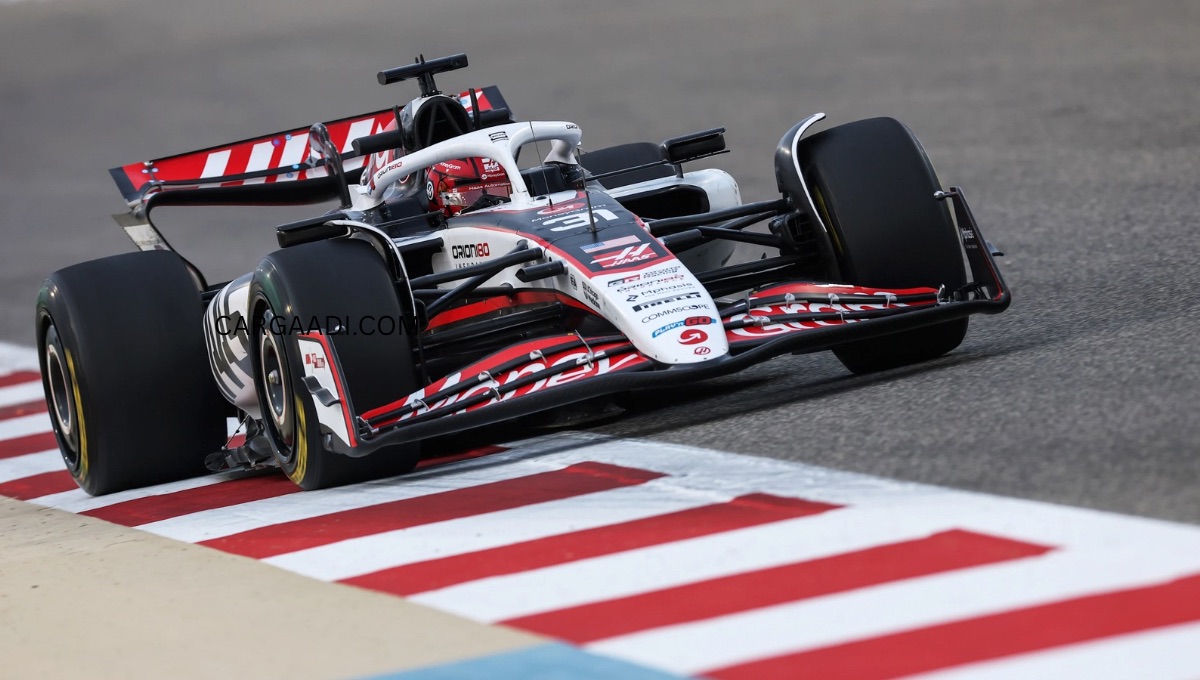
Rather than building everything in-house, Haas took a hybrid approach. While the chassis and many structural components are built in their F1 factory in the UK, the power-unit and many performance components are supplied by legacy F1 partners. This strategy allowed the team to meet the high regulatory and technical standards of modern Formula 1, while remaining cost-effective and flexible.
Within a few years, Haas F1 found its seat on the grid — making them one of the few relatively new teams to enter the cut-throat world of F1 with realistic hopes of scoring points, and occasionally, challenging more established names.
Performance, Milestones & Recent Status
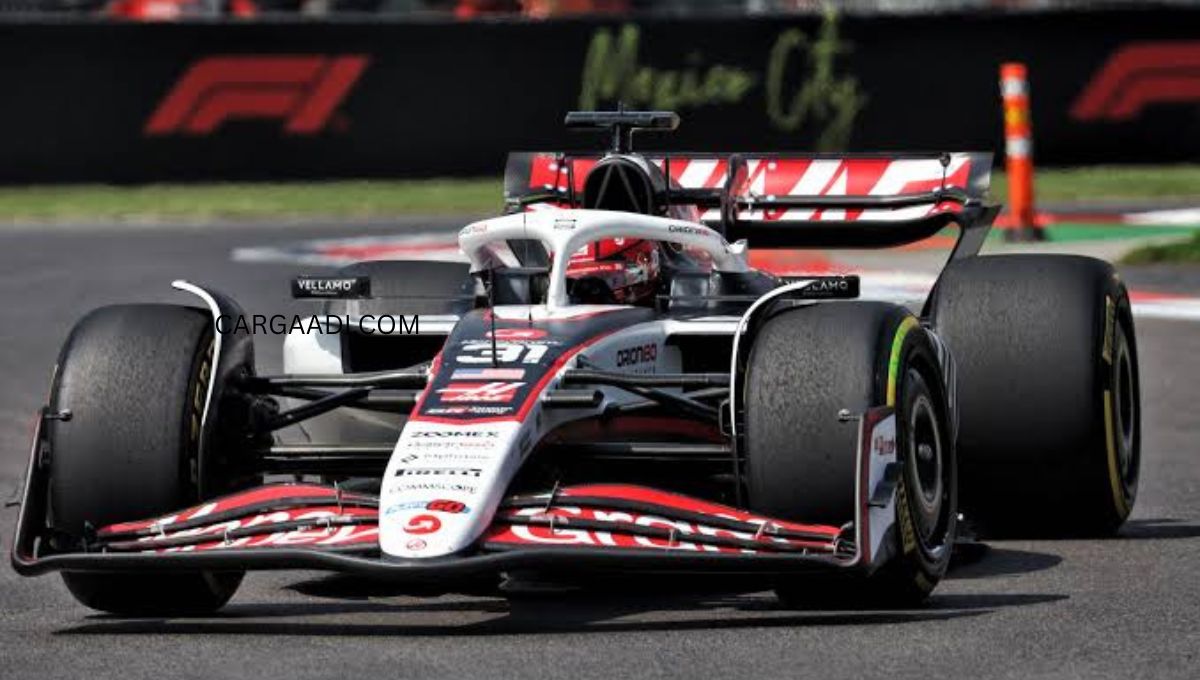
Haas’s journey in Formula 1 has had its share of ups and downs — early promise, some competitive showings, but also harsh struggles. Highlights and patterns include:
- The team’s initial seasons saw modest performance, but with flashes of competitiveness — occasionally finishing in or near the points, showing that their hybrid build model could deliver credible results.
- Over time, as regulations tightened and competitors upped their game, Haas found it increasingly challenging to match teams with deeper budgets or fully integrated operations. Many races exposed gaps in performance, reliability, and consistency — common pressures for smaller or newer constructors.
- As of the latest seasons, Haas has often oscillated between midfield and the lower end of the grid. While rarely contending for podiums, the team’s engineers and drivers strive to extract maximum performance — often focusing on reliability, occasional sprint-race strategies, and capitalizing on variable race conditions (weather, safety cars, incidents).
Despite struggles, Haas endures — partly owing to the resilience and long-term ambitions of its leadership, and partly because Formula 1 increasingly values cost-caps, hybrid regulations, and fairness — giving smaller teams a chance if they play smart.
What Haas F1 Brings to Formula 1 — Strengths & Unique Selling Points
Even though Haas may not always dominate, the team contributes value in several distinct ways:
Represents a credible American link in F1
In a sport heavily dominated by European teams and operations, Haas offers global appeal — especially for American fans and sponsors who appreciate a “home-grown” connection to F1 through Gene Haas’s legacy.
Lean, hybrid-model constructor approach
By outsourcing power-units and focusing in-house on chassis and assembly, Haas demonstrates a model that tries to balance cost, efficiency, and competitiveness — a potential blueprint for future lower-budget aspirants.
Opportunity for young talent and innovation
Haas often gives seat opportunities to emerging drivers or relatively lesser-known names — offering fresh talent a platform in top-tier racing. The team’s modest expectations can allow talent to shine without overwhelming pressure.
Adds grid diversity and competition depth
Even if not at front-row pace, Haas adds to the competitive field — every point they score, every overtake — keeps mid-field interesting and ensures no race is predictable.
Challenges Ahead — What Haas Must Overcome
While the strengths matter, so do the challenges. Haas faces the following headwinds:
- Budget & Resource Limitations: Compared to top-teams with massive R&D budgets, Haas must make trade-offs — affecting when and how often they can update chassis, components, or experiment with radical design changes.
- Consistency & Reliability: Limited resources sometimes translate to fewer upgrades and tighter margins for error — reliability under race stress remains a recurring concern.
- Driver & Talent Retention: Attracting and keeping top-tier talent (drivers or engineers) is harder when a team’s podium prospects are slim — this can create a cycle of middle-or back-of-the-pack performance.
- Regulation & Competition Pressure: As F1 evolves — hybrid power units, cost caps, aerodynamic restrictions — even small incremental lapses can amplify performance gaps.
For Haas to survive and potentially climb, they need strategic planning, focused investment, clear team culture, and some luck.
What Fans & Observers Should Watch in 2025 and Beyond
If you follow Haas or F1 in general, here’s what to look for:
- Incremental upgrades & clever engineering — sometimes modest changes can yield major performance gains, especially under cost-cap rules.
- Driver performance & consistency — a steady, skilled driver can maximize result potential in midfield or tricky race conditions.
- Reliability under pressure — finishing races, avoiding retirements — in a field where others fail, reliability can mean points.
- Smart race strategies — under variable conditions (weather, tyres, safety cars), midfield teams like Haas often have an opportunity to punch above their weight.
If Haas manages these well, they could quietly climb — not to front-row dominance — but to consistent midfield presence and occasional surprise results.
Conclusion — Haas F1: A Gritty Underdog in a Glamorous Sport
The Haas F1 Team may not have the glamour or budget of perennial champions, but in a sport defined by precision, speed, and strategy — they represent resilience, ambition, and the underdog spirit. For fans who love unpredictability, grit over glamour, or want an “outsider team” to root for, Haas offers a compelling narrative.
Yes — competing against giants is tough. But in Formula 1, sometimes heart, smart choices, and persistence make all the difference. Haas F1 remains a team to watch — not just for what they have now, but for what they could become with time, strategy, and perseverance.
Disclaimer
This article is based on publicly available information about the Haas F1 Team, its history, and general performance trends in Formula 1 as of 2025. Given the dynamic nature of motorsport — with frequent regulation changes, team strategies, driver lineups, and technology updates — facts about performance, standings, or technical details can change. Readers are encouraged to refer to official Formula 1 sources, Haas F1’s announcements, and race-by-race data for the most accurate and up-to-date information.