
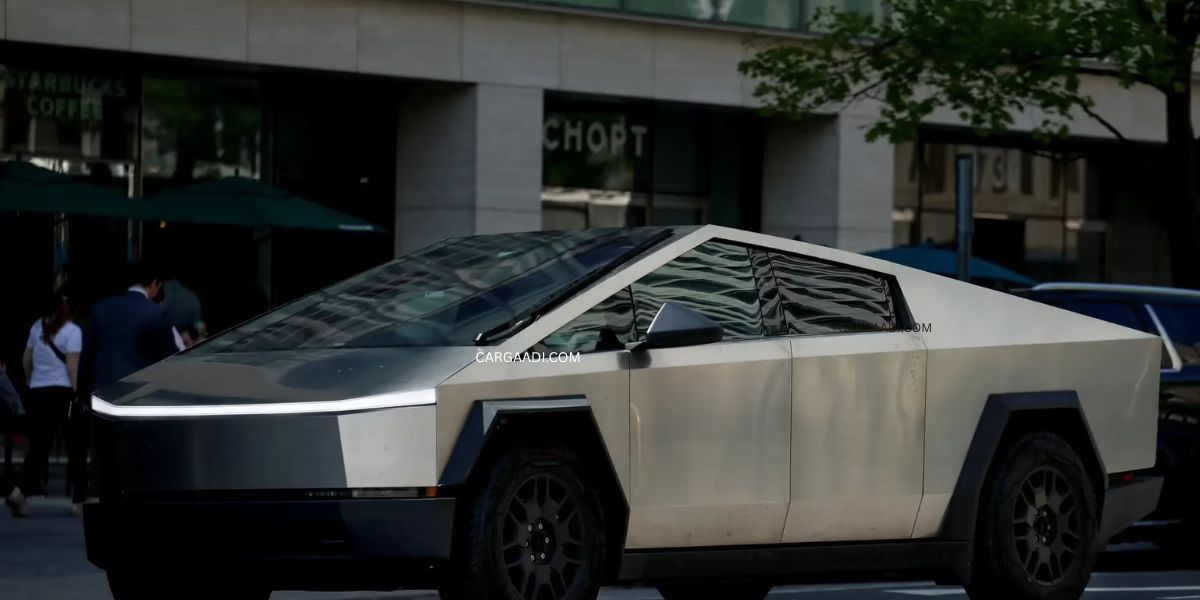
Over the past few years, Tesla has often been at the center of headlines — for its electric powertrain, advanced autopilot features, over-the-air (OTA) software updates, and sometimes controversial public perceptions. Recently, a rumour began circulating online that Tesla is preparing an update which would allow drivers to send and receive text messages directly from the vehicle dashboard while driving.
This notion — widely shared on social media and enthusiast forums — has sparked debate about convenience, safety, and regulatory compliance. In this blog, we unpack what is speculation vs what is reality, why the rumor may have gained traction, and what it would mean if Tesla or any automaker allowed such in-car messaging.
What’s the Claim — And What Public Evidence Has (Not) Emerged
What People Are Claiming
- Some online posts and comments suggest that a future OTA update from Tesla will enable a “text-while-driving” mode. The idea appeals to many who liken cars to “smartphones on wheels” and see it as a convenience for busy drivers.
- The speculation sometimes ties into Tesla’s history of pushing software-forward features: over-the-air autopilot tweaks, in-car games, entertainment apps, in-car Internet streaming — these make the idea at least plausible in public imagination.
What’s Missing — No Verifiable Official Statement or Documentation
- A search of Tesla’s official website, press releases, and owner-support forums reveals no confirmation of a “text-while-driving” feature being added.
- Major automotive-news outlets and reputable safety-regulation watchers have not reported on any such update being in testing or rollout.
- There is no publicly available regulatory approval, Road-Safety Advisory, or legal compliance statement — which would be required if a feature allowed manual texting while a vehicle is in motion.
In short: the claim remains unverified, more rumor than reality — at least based on publicly available information as of now.
Why the Rumour Might Be Appealing — Tesla, Tech Culture & Human Behaviour
Even without evidence, the idea resonates — and may be spreading — because of a mix of cultural, technological, and social elements:
- Tesla’s track record of innovation — OTA updates, autopilot, car-console tech — makes many users willing to believe Tesla could push boundaries again.
- Smartphone culture — Many people today are used to checking messages anytime, anywhere. The idea of “car as another connected device” seems like a natural extension to a segment of users.
- Young & tech-savvy consumer base — Tesla owners and fans often skew younger and more tech-oriented, possibly more open to integration of mobile-style features in their vehicles.
- Wish for convenience — For some, the idea of being able to handle messages while on the move seems like saving time — especially on long trips or congested commutes.
However — as we know from safety research and driving laws — convenience does not equate to safety.
Why It’s Dangerous — Safety, Legal & Ethical Issues
Allowing a driver to text while driving — even via car console — raises serious concerns:
- Distracted driving risk: A driver reading or typing texts diverts attention from the road. Studies globally link distracted driving to increased accident risk, especially on highways or urban traffic.
- Legal compliance: Many states and countries strictly prohibit mobile-phone use while driving, even with hands-free devices. Allowing texting could put drivers at risk of penalties or revoke insurance coverage in case of accidents.
- Manufacturer liability: If Tesla (or any automaker) enabled a feature that encourages texting while driving, it could face legal and reputational consequences — especially if accidents occur under such conditions.
- Public & ethical responsibility: Automakers have an ethical duty to prioritize safety over convenience; offering texting-in-motion could be viewed as irresponsible.
Because of these reasons, major car manufacturers and safety regulators have historically discouraged or blocked features that allow manual interaction while driving.

What a Responsible “In-Car Messaging” Solution Would Require
If automakers were to seriously consider safe in-car messaging — while avoiding the above dangers — here are some preconditions necessary:
- Full voice-based interface: No manual typing. Use voice-to-text for messaging, with minimal driver distraction.
- Lock-out while moving: Blocking the console if car is in motion; only allow messaging when parked or when safety conditions are met.
- Clear regulatory compliance: Local transport laws and road-safety regulations must be adhered to; otherwise feature must be disabled.
- Driver-awareness & warnings: Reminder prompts about safety, disclaimers, and perhaps mandatory “do not text while driving” notifications.
- Transparent for users: Full disclosure that usage while driving may carry risk, insurance or legal implications.
Such safeguards — if implemented — might allow limited “connected car messaging” while preserving road safety.

What Tesla & Drivers Should Do — Wait, Watch, and Prioritize Safety
Given the rumor’s unverified status, here’s recommended action:
- Tesla owners and fans — do not assume the feature exists or will exist; treat circulating claims with skepticism.
- Monitor only official Tesla channels (website, press releases, firmware-update notes) for real feature updates — not social-media hearsay.
- Drivers — regardless of tech features — avoid using mobile/texting while driving; if messaging is necessary, pull over safely.
- Regulators and road-safety authorities should continue to stress awareness about distracted driving and enforce bans on hand-held use.
Conclusion — For Now, It’s Rumour, Not Reality
The idea that Tesla will release an update allowing drivers to text while driving remains a rumour, not a fact. No credible source confirms such a feature is planned or approved. While the notion spreads thanks to wishful thinking and Tesla’s tech-forward image, its implications on safety, legality, and ethics are serious.
Until — and if — Tesla (or any automaker) platforms a fully regulation-compliant, safety-first messaging solution, the safest course remains: keep your eyes on the road — not on your screen.
Disclaimer
This article discusses publicly circulating rumors and perspectives about Tesla and in-car messaging functionality. As of the time of writing, there is no verified announcement from Tesla or any regulatory body that confirms a “text-while-driving” feature. The content is for informational and analytical purposes only and should not be taken as confirmation or endorsement of any unverified claims. Readers should rely on official manufacturer statements and local road-safety laws for factual and legal guidance.