
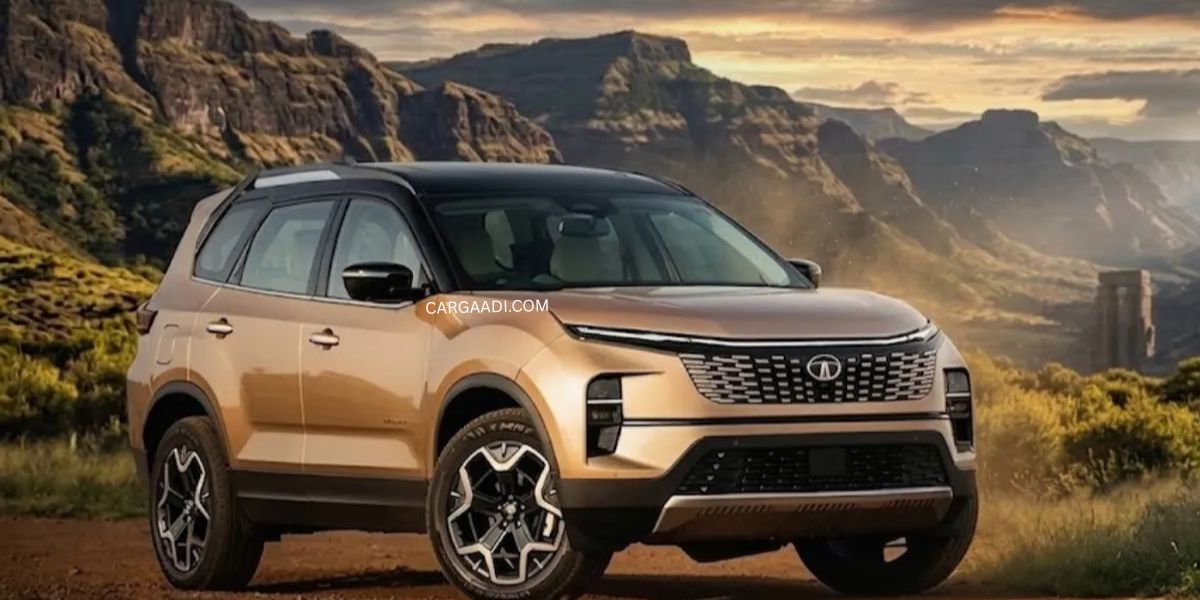
Something remarkable is happening on Indian roads. Quietly yet powerfully, electric cars are becoming a part of everyday life. Between January and April 2026, demand for electric cars in India has surged by nearly 70%, reflecting a strong shift in how people think about mobility, savings, and the environment.
This is not just about numbers—it’s about a new mindset taking shape across the country.
Why More People Are Choosing Electric Cars
The growing love for electric vehicles (EVs) is driven by a mix of emotional and practical reasons. Rising fuel prices have made traditional petrol and diesel cars expensive to maintain, while electric cars offer a sense of relief with significantly lower running costs.
At the same time, there’s a deeper awareness about pollution and climate change. Many buyers today are not just thinking about convenience—they’re thinking about the future. Owning an electric car feels like contributing to a cleaner and healthier environment.
Government support has also played a big role. Incentives, subsidies, and better charging infrastructure are making EV ownership easier than ever before.
What’s Fueling This 70% Growth?
Better Technology and Longer Range
Modern electric cars are no longer limited by short driving ranges. With improved battery technology, many EVs now offer ranges that comfortably handle daily commutes and even long trips.
Expanding Charging Network
Charging stations are becoming more common in cities and highways. This growing network is reducing “range anxiety,” one of the biggest concerns people had earlier.
Cost Savings That Feel Real
Electric cars may seem expensive at first, but over time, they save a lot of money. Lower fuel costs, reduced maintenance, and government benefits make them a smart financial choice.
Popular Electric Cars Driving the Trend
Some well-known electric cars are leading this surge in demand, offering a balance of performance, range, and affordability.
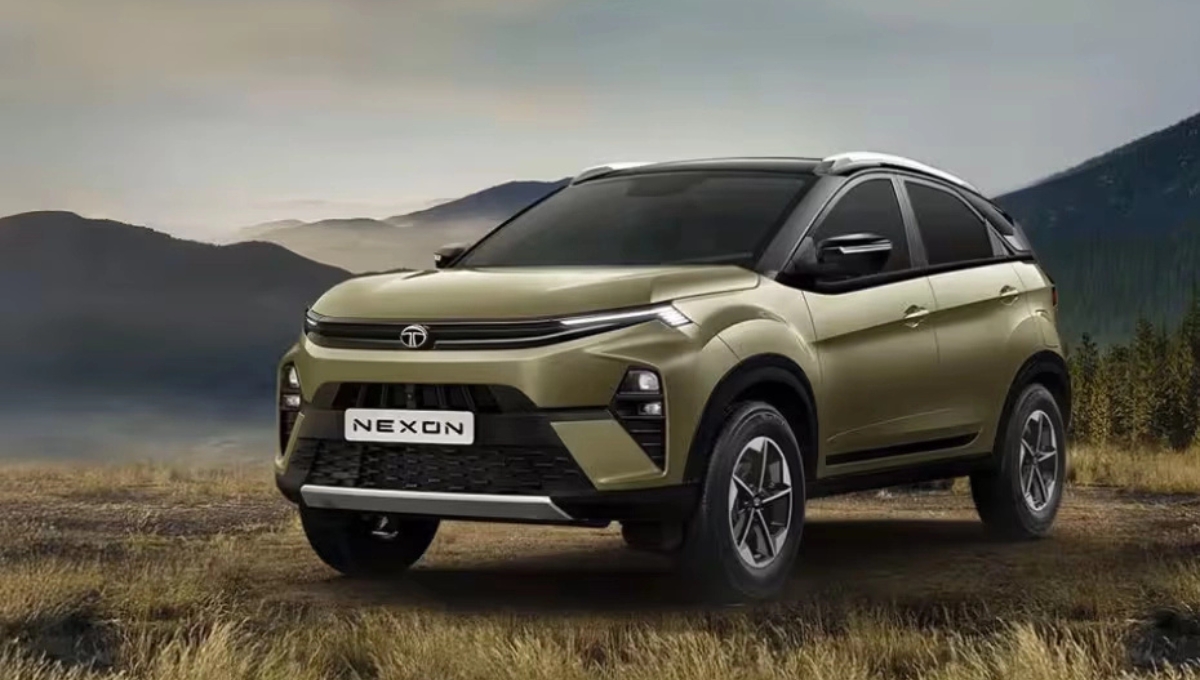
Tata Nexon EV
This SUV has become a favorite among Indian buyers due to its reliability and practical range, making it ideal for both city and highway use.
MG ZS EV
A more premium option, this car offers comfort, advanced features, and a smooth driving experience that appeals to modern buyers.
Mahindra XUV400 EV
Known for its strong performance and bold design, this EV is attracting younger buyers looking for power and style.
Typical Electric Car Specifications in 2026
| Feature | Details |
|---|---|
| Battery Capacity | 30 kWh – 80 kWh |
| Driving Range | 300 – 500 km per charge |
| Charging Time | 30 mins (fast) – 8 hours (home) |
| Power Output | 100 – 200 bhp |
| Torque | 200 – 400 Nm |
| Transmission | Automatic |
| Fuel Type | Electric |
These specifications show how far EV technology has come, making electric cars practical for everyday use.
Price Range of Electric Cars in India
Electric cars are now available across different price segments, making them accessible to a wider audience.
| Segment | Price Range (Ex-showroom) |
|---|---|
| Budget EVs | ₹8 lakh – ₹12 lakh |
| Mid-range EVs | ₹12 lakh – ₹25 lakh |
| Premium EVs | ₹25 lakh – ₹60 lakh+ |
This wide pricing range ensures that there’s an electric car for almost every type of buyer.
A Future That Feels Closer Than Ever
The 70% rise in demand is not just a temporary spike—it signals a long-term transformation. People are becoming more confident about electric mobility, and car manufacturers are responding with better, smarter, and more exciting options.
India is slowly but surely moving towards a future where electric cars are not the exception but the norm. The roads are getting quieter, the air is getting cleaner, and driving is becoming more efficient.
Disclaimer
This article is based on market trends, industry reports, and estimated data for early 2026. Actual figures, specifications, and prices may vary depending on brand updates, government policies, and market conditions.