
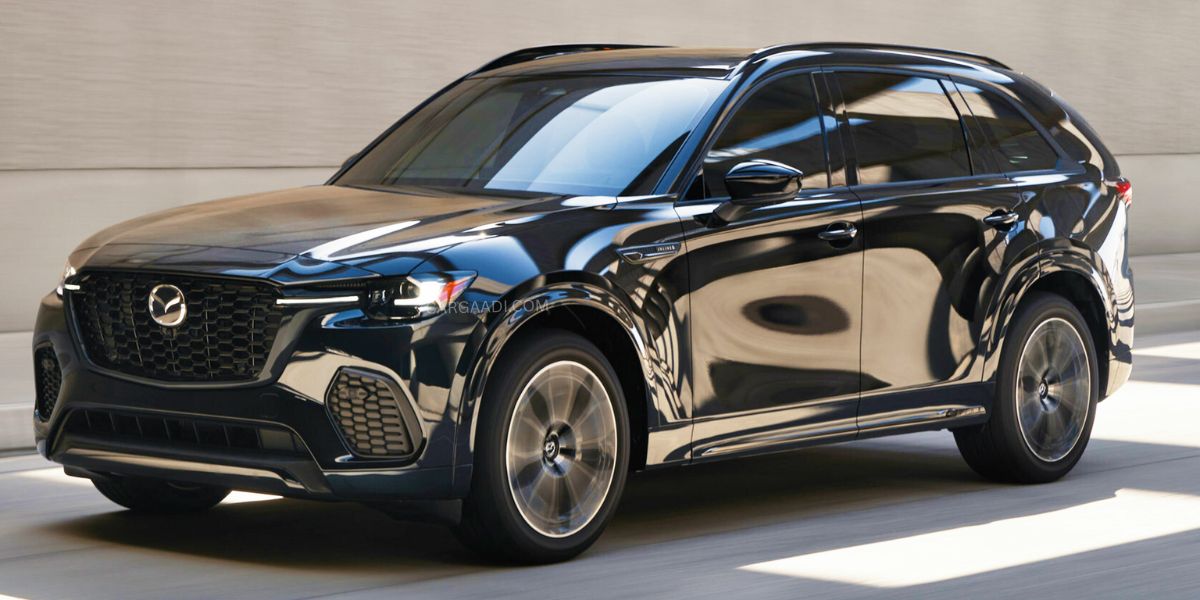
The automotive industry has always been driven by ambition, and Mazda’s latest goal is certainly ambitious. The Japanese automaker reportedly wants to achieve 500,000 annual vehicle sales in the United States, a target that would mark a major milestone for a brand known for its driver-focused vehicles and premium design philosophy.
While the number itself is impressive, reaching it may require more than simply introducing new models. Mazda first needs to answer an important question that many consumers continue to ask: What exactly does Mazda want to be in today’s automotive market?
For years, Mazda has occupied a unique position in the industry. It offers vehicles that feel more premium than mainstream brands while remaining more affordable than traditional luxury competitors. That strategy has earned praise from enthusiasts, but it has also created a challenge when it comes to communicating the brand’s identity to a wider audience.
As Mazda sets its sights on significant growth in the United States, clarity may become just as important as product quality.
Mazda’s Ambitious Vision for the American Market
The U.S. remains one of the most important automotive markets in the world. Success in America often determines how quickly a manufacturer can expand globally, invest in future technologies, and strengthen its competitive position.
Mazda’s goal of reaching 500,000 annual U.S. sales reflects confidence in its current lineup and future product plans. However, achieving such growth will require attracting new customers while retaining loyal buyers who already appreciate the brand’s unique character.
The challenge is not simply selling more vehicles. It is convincing more consumers that Mazda deserves a place on their shopping list.
Why Mazda Faces an Identity Challenge
Neither Mainstream Nor Traditional Luxury
Mazda has spent the last decade transforming its image. Modern Mazda vehicles feature elegant styling, high-quality interiors, and sophisticated driving dynamics that often rival more expensive competitors.
The company has moved away from competing solely on price and instead focuses on delivering a premium experience.
While this strategy has improved the brand’s reputation, it has also created confusion among some consumers. Many shoppers still view Mazda as a mainstream manufacturer, while others see it as an emerging premium brand.
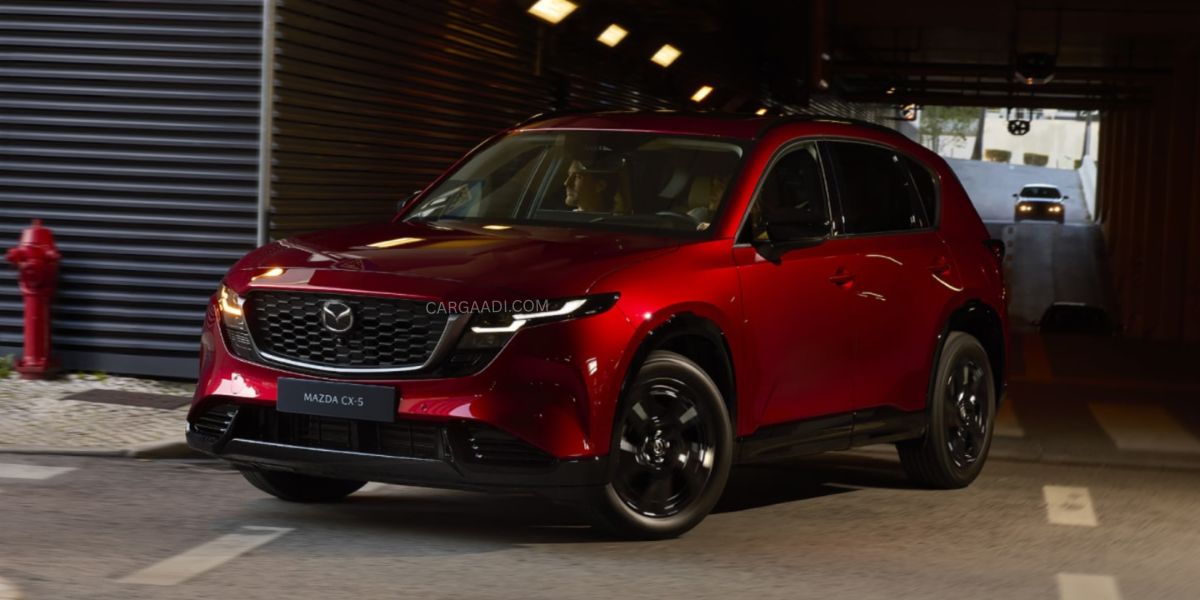
This middle ground can be difficult to explain in a crowded automotive marketplace.
Competing in a Complex Market
Today’s buyers have more choices than ever before. Traditional brands, luxury manufacturers, and electric vehicle startups are all competing for attention.
To achieve its sales targets, Mazda must clearly communicate why its vehicles offer something unique.
What Makes Mazda Different?
Design That Feels Premium
One of Mazda’s greatest strengths is its design philosophy. The company consistently produces vehicles that look elegant, sophisticated, and timeless.
Unlike some competitors that rely on aggressive styling trends, Mazda focuses on clean lines and refined aesthetics that age gracefully.
This approach has helped the brand build a strong emotional connection with many customers.
Driving Experience Matters
Mazda has long emphasized driving enjoyment. Even its family-oriented SUVs and crossovers are designed to provide engaging handling and responsive performance.
This focus on the driver remains one of the company’s most distinctive characteristics.
For many owners, Mazda vehicles simply feel more enjoyable to drive than competing models in the same price range.
Attention to Detail
Inside the cabin, Mazda vehicles often exceed expectations. Premium materials, thoughtful ergonomics, and upscale design elements help create an experience that feels more expensive than the vehicle’s price tag suggests.
This commitment to quality has become a key pillar of the brand’s identity.
The Importance of SUVs in Mazda’s Growth Strategy
Meeting Consumer Demand
The American market continues to favor SUVs and crossovers. Fortunately for Mazda, its lineup now includes several competitive options that appeal to a wide range of buyers.
Models such as the CX-30, CX-50, CX-70, and CX-90 provide the brand with strong representation in some of the industry’s most important segments.
Expanding Market Reach
Larger SUVs have helped Mazda attract new customers who may not have previously considered the brand.
The introduction of premium-oriented models has also allowed Mazda to compete for buyers who might otherwise shop luxury brands.
Technical Specifications of Mazda’s Flagship SUV
To understand Mazda’s future direction, it is useful to examine the company’s flagship SUV offerings, which represent its premium ambitions.
Technical Specifications Table
| Specification | Mazda CX-90 (Reference Model) |
|---|---|
| Vehicle Type | Three-Row Premium SUV |
| Engine Options | Turbocharged Inline-6 |
| Hybrid Availability | Plug-In Hybrid Available |
| Transmission | 8-Speed Automatic |
| Drivetrain | Rear-Wheel Drive-Based AWD |
| Seating Capacity | Up to 8 Passengers |
| Power Output | Up to 340 HP |
| Fuel Type | Petrol / Hybrid |
| Infotainment Display | Large Digital Interface |
| Safety Features | Advanced Driver Assistance Systems |
Specifications may vary depending on trim level and market.
Can Mazda Reach 500,000 Sales?
Product Quality Is Not the Problem
Most automotive experts agree that Mazda’s current products are highly competitive. The vehicles receive praise for design, craftsmanship, and driving dynamics.
The challenge is visibility.
Many consumers simply do not think of Mazda first when beginning their vehicle search.
Brand Awareness Must Improve
To achieve significant sales growth, Mazda may need to invest more aggressively in marketing, customer education, and dealership experiences.
Potential buyers need a clearer understanding of what separates Mazda from both mainstream and luxury competitors.
Electrification Will Play a Key Role
Like every major manufacturer, Mazda must navigate the industry’s transition toward electrification.
Future electric vehicles, hybrid technologies, and sustainable mobility solutions will likely play a major role in determining whether the company can achieve its ambitious goals.
Expected Pricing Across Key Mazda Models
Competitive pricing remains one of Mazda’s strongest advantages.
Mazda Pricing Overview
| Model | Expected Starting Price |
|---|---|
| Mazda3 | $25,000 – $32,000 |
| CX-30 | $26,000 – $38,000 |
| CX-50 | $31,000 – $45,000 |
| CX-70 | $42,000 – $60,000 |
| CX-90 | $40,000 – $65,000 |
| Future EV Models | $40,000+ |
Pricing may vary based on trim levels, options, and regional markets.
Why Mazda’s Goal Matters
Mazda’s pursuit of 500,000 annual U.S. sales is about more than numbers. It reflects the company’s desire to become a more influential player in the automotive industry.
Greater sales volume can support larger investments in technology, electrification, manufacturing, and future product development.
For consumers, this could lead to more choices, improved innovation, and stronger competition across multiple vehicle segments.
The Road Ahead
The automotive industry is changing faster than ever before. Consumer preferences are evolving, technology is advancing rapidly, and competition continues to intensify.
Mazda enters this environment with a strong lineup, a respected reputation, and a clear desire to grow.
However, before reaching the ambitious milestone of 500,000 annual U.S. sales, the company may need to tell its story more effectively. Buyers already appreciate Mazda’s vehicles once they experience them. The challenge is convincing more people to take that first look.
If Mazda can successfully communicate its identity while continuing to deliver high-quality products, its ambitious target may be far more achievable than many people expect.
Final Thoughts
Mazda’s goal of reaching 500,000 annual vehicle sales in the United States is both bold and realistic, provided the company can strengthen its brand message and expand consumer awareness.
The products are already competitive. The design, quality, technology, and driving experience are all in place. What remains is ensuring that potential buyers fully understand what makes Mazda different.
In many ways, Mazda’s biggest challenge is not building better vehicles. It is helping more people discover just how good those vehicles have already become.
Disclaimer
The information presented in this article is based on industry reports, market analysis, manufacturer announcements, and publicly available information at the time of writing. Sales targets, future product plans, pricing, specifications, and business strategies may change based on market conditions and official company decisions. Readers should consult official Mazda communications and authorized dealerships for the latest and most accurate information. This article is intended for informational purposes only and should not be considered investment, financial, or purchasing advice.