
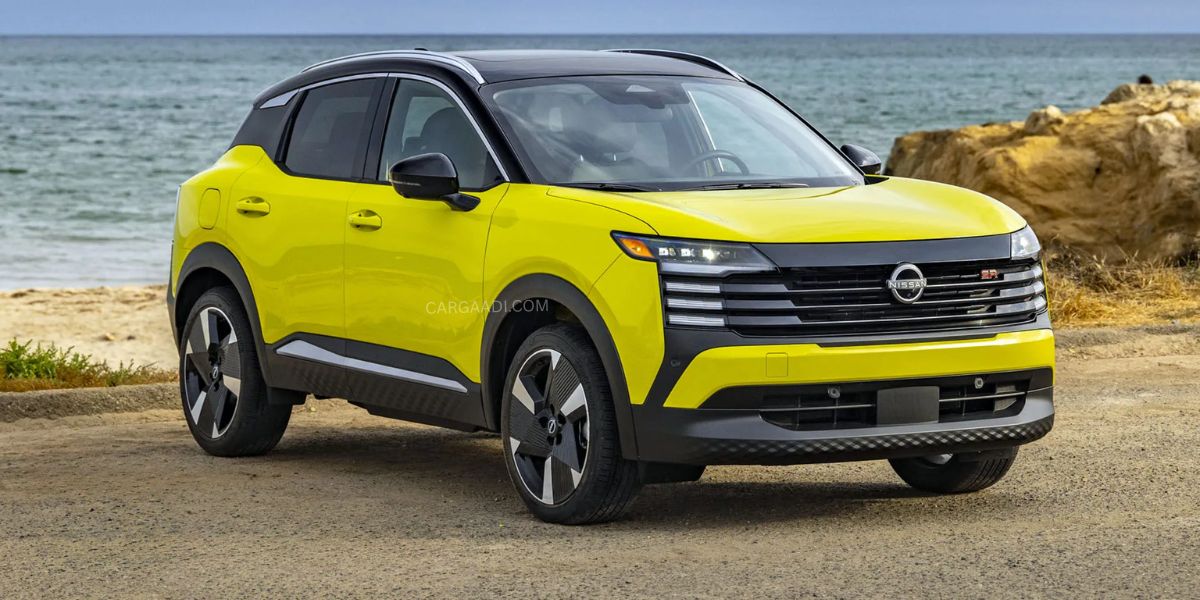
A new safety recall involving the Nissan Kicks has drawn attention after reports indicated that drivers may suddenly lose access to the speedometer display. While the issue may sound simple at first, it carries serious implications for road safety, as the speedometer is one of the most essential instruments in any vehicle.
For many drivers, the speedometer is something they rarely think about—until it stops working. Without it, maintaining safe speeds becomes difficult, increasing the risk of speeding violations or unsafe driving conditions, especially on highways or in busy city traffic.
The recall highlights how even modern, well-equipped vehicles can face unexpected electronic issues, and why manufacturers must act quickly when such problems are identified.
What Triggered the Nissan Kicks Recall?
The recall was initiated after concerns emerged that certain Nissan Kicks models may experience a sudden failure of the digital instrument cluster. In affected vehicles, the speedometer display could go blank or stop functioning while driving.
This issue is believed to be related to an electronic or software malfunction within the instrument panel system. Although the vehicle itself may continue to operate normally, the loss of critical driving information such as speed can pose a safety risk.
Nissan has acknowledged the concern and is working to address the issue through corrective measures at authorized service centers.
Why the Speedometer Issue Is Serious
Loss of Critical Driving Information
The speedometer is one of the most important safety tools inside a car. Without it, drivers may not accurately know how fast they are traveling, which can lead to unintentional speeding or unsafe driving behavior.
Even experienced drivers rely heavily on this display, especially in areas with strict speed limits.
Increased Risk in Urban and Highway Driving
In city traffic, speed changes frequently, and in highway conditions, maintaining a steady legal speed is essential.
A malfunctioning speedometer can make both situations more challenging and potentially dangerous.
What Owners of Nissan Kicks Should Expect
Owners of affected Nissan Kicks vehicles are typically contacted through official communication channels and advised to visit authorized service centers.
At the dealership, technicians inspect the instrument cluster system and apply necessary updates or replacements depending on the severity of the issue.
In most cases, recall-related repairs are carried out at no cost to the customer.
Expected Technical Overview of the Issue
While the exact technical details may vary depending on model year and production batch, the issue is generally linked to the vehicle’s digital instrument cluster system.
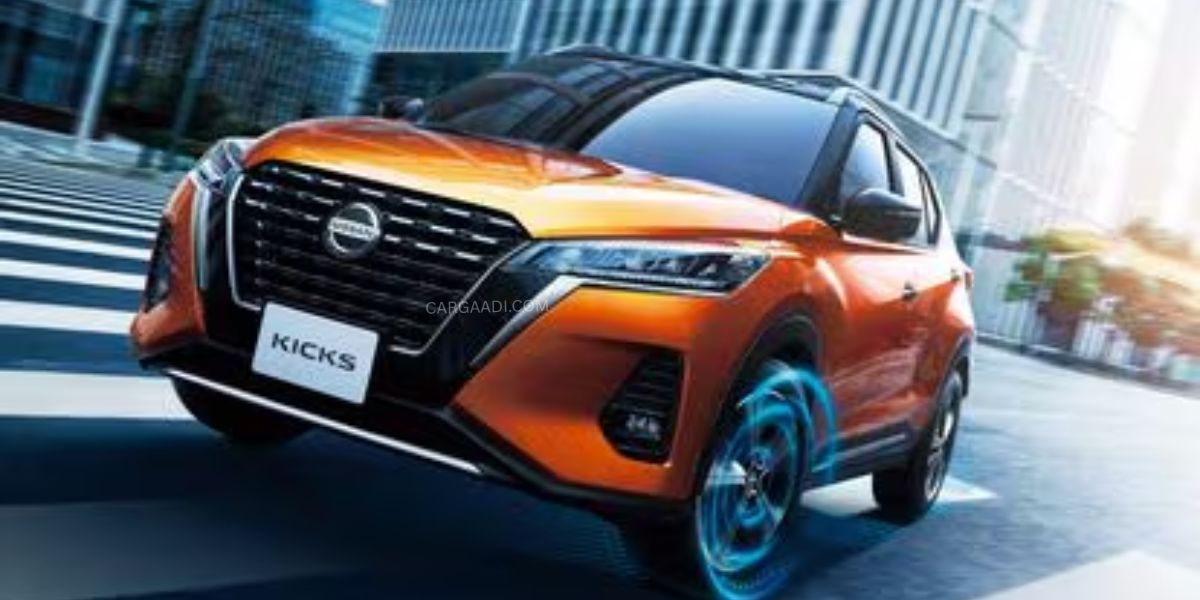
Technical Specifications Table (Affected System Overview)
| Component | Description |
|---|---|
| System Type | Digital Instrument Cluster |
| Affected Function | Speedometer Display |
| Possible Cause | Software / Electronic Communication Error |
| Vehicle Impact | Loss of Speed Readout |
| Engine Performance | Not Affected |
| Safety Impact | Reduced Driver Information |
| Fix Type | Software Update / Cluster Replacement |
Nissan Kicks Basic Vehicle Specifications
To understand the context of the recall, here is a general overview of the Nissan Kicks as a model.
Technical Specifications Table
| Specification | Details |
|---|---|
| Engine Type | 1.3L Turbo Petrol |
| Power Output | Around 156 PS |
| Torque | Around 254 Nm |
| Transmission | Manual / CVT Automatic |
| Fuel Type | Petrol |
| Seating Capacity | 5 Passengers |
| Drivetrain | Front-Wheel Drive |
| Infotainment | Touchscreen System with Connectivity |
| Safety Features | ABS, Airbags, ESC |
Specifications may vary depending on model year and variant.
How This Affects Drivers in Real Life
Everyday Driving Confidence
Most drivers rely on constant feedback from the instrument cluster. When that feedback disappears, even temporarily, it can create uncertainty behind the wheel.
This is especially important for new drivers or those unfamiliar with estimating speed without digital assistance.
Importance of Timely Repairs
Manufacturers usually act quickly in such cases to ensure that vehicles are repaired before the issue leads to any real-world incidents.
Owners are strongly encouraged to respond to recall notices as soon as possible.
Nissan’s Response and Safety Commitment
Automakers like Nissan follow strict safety protocols when identifying potential defects. Once a problem is confirmed, recalls are issued to protect customers and maintain product safety standards.
In this case, the company is expected to provide a software update or hardware replacement to restore full instrument cluster functionality.
Such actions are part of global automotive safety practices and reflect the industry’s focus on continuous improvement.
What This Means for the Automotive Industry
Modern vehicles rely heavily on digital systems, from infotainment screens to fully digital dashboards. While these technologies improve convenience and driving experience, they also introduce new types of technical challenges.
Issues like this highlight the importance of rigorous software testing, real-world validation, and continuous updates in modern car design.
As cars become more connected and software-driven, such recalls may become more common, but they also tend to be resolved faster through digital fixes.
Final Thoughts
The Nissan Kicks recall serves as an important reminder of how essential basic driving information is for road safety. While the issue involves a digital display malfunction rather than mechanical failure, its impact on driver awareness makes it a serious concern.
Nissan’s response and recall action aim to ensure that affected vehicles are quickly repaired and returned to safe operating condition. For owners, the most important step is to stay informed and complete the necessary service updates without delay.
As automotive technology continues to advance, balancing innovation with reliability will remain one of the industry’s most important challenges.
Disclaimer
The information provided in this article is based on publicly available reports, preliminary recall notices, and automotive industry sources at the time of writing. Details regarding affected models, causes, repair procedures, and availability may change following official manufacturer updates. Readers are advised to refer to official Nissan communications and authorized service centers for the most accurate and up-to-date information. This article is intended for informational purposes only and should not be considered technical, legal, or safety advice.
:::