
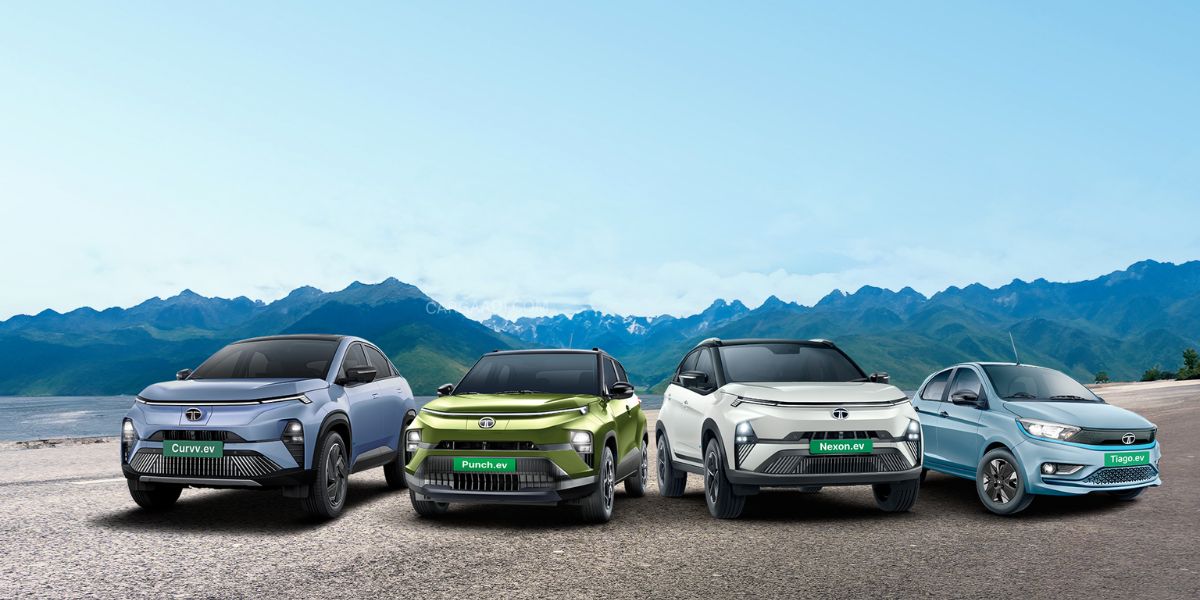
India’s electric vehicle revolution is gaining momentum, and Tata Motors continues to remain at the forefront of this transformation. The company has further strengthened its position in the country’s electric passenger vehicle market after recording a remarkable rise in EV sales during May 2026. With electric car sales witnessing a massive 79% year-on-year jump, Tata Motors has once again demonstrated why it remains the dominant force in India’s rapidly growing EV segment.
The latest sales performance reflects a growing shift in consumer preferences as more buyers embrace sustainable mobility solutions. Improved charging infrastructure, rising fuel costs, government incentives, and an expanding portfolio of electric vehicles are all contributing to the increasing popularity of EVs across the country.
For Tata Motors, the strong performance is not just another sales milestone—it is a clear indication that its long-term electric mobility strategy is paying off.
Tata Motors Continues to Lead India’s EV Revolution
Over the past few years, Tata Motors has played a crucial role in making electric vehicles accessible to Indian consumers. While many automakers are still expanding their EV portfolios, Tata already has a strong presence across multiple price segments.
The company has successfully built customer trust by offering practical electric cars that combine affordability, driving range, safety, and everyday usability.
As a result, Tata Motors continues to hold a commanding share of India’s electric passenger vehicle market.
Electric Car Sales Witness Massive Growth
Strong Consumer Demand Drives Sales
The 79% increase in electric car sales during May 2026 highlights the growing acceptance of EVs among Indian buyers.
Consumers are becoming increasingly aware of the long-term benefits of electric mobility, including lower running costs, reduced maintenance requirements, and environmental advantages. This growing awareness is translating directly into higher sales volumes.
Expanding Charging Infrastructure Boosts Confidence
One of the major reasons behind rising EV adoption is the steady expansion of charging infrastructure across India.
With more public charging stations becoming available in urban centers and along highways, range anxiety is gradually becoming less of a concern for prospective buyers.
This improved accessibility is encouraging more consumers to consider electric vehicles for their daily transportation needs.
Popular Tata EV Models Driving Growth
Several Tata electric vehicles have contributed to the company’s strong market performance.
Tata Nexon EV Remains a Key Contributor
The Nexon EV continues to be one of India’s best-selling electric SUVs. Its combination of attractive pricing, practical range, modern features, and SUV styling makes it a preferred choice among EV buyers.

Punch EV Expands Customer Base
The Punch EV has helped Tata attract customers looking for a compact electric vehicle that offers urban practicality and affordability.
Its popularity among first-time EV buyers has further strengthened Tata’s position in the market.
Tiago EV Maintains Affordable Entry Point
The Tiago EV remains one of the most affordable electric cars available in India, making EV ownership accessible to a wider audience.
Its value-for-money proposition continues to appeal to budget-conscious consumers.
Tata Motors EV Lineup: Key Specifications
Technical Specifications Table
| Model | Battery Pack | Range (Approx.) | Power Output |
|---|---|---|---|
| Tata Nexon EV | 30-45 kWh | 325-489 km | 129-145 PS |
| Tata Punch EV | 25-35 kWh | 315-421 km | 82-122 PS |
| Tata Tiago EV | 19-24 kWh | 250-315 km | 61-75 PS |
| Tata Curvv EV | 45-55 kWh | 500+ km | 150+ PS |
Specifications may vary depending on variant and testing standards.
Tata EV Pricing Overview
Expected Price Range
| Model | Ex-Showroom Price (Approx.) |
|---|---|
| Tata Tiago EV | ₹8 Lakh – ₹12 Lakh |
| Tata Punch EV | ₹10 Lakh – ₹15 Lakh |
| Tata Nexon EV | ₹13 Lakh – ₹20 Lakh |
| Tata Curvv EV | ₹18 Lakh – ₹25 Lakh |
Prices may vary depending on location, variant, and applicable government incentives.
Why Tata Motors Is Staying Ahead
Wide Product Portfolio
One of Tata Motors’ biggest strengths is its diverse EV lineup. The company offers electric vehicles across multiple price segments, allowing it to cater to a broad range of customers.
Strong Brand Trust
Tata Motors has built a strong reputation for safety, reliability, and value. These qualities have helped the company gain the confidence of buyers transitioning from traditional fuel-powered vehicles to EVs.
Early-Mover Advantage
By investing heavily in electric mobility before many competitors, Tata Motors secured a significant lead in market share and customer adoption.
This advantage continues to benefit the company as EV demand accelerates.
The Future of India’s EV Market
Competition Is Increasing
Although Tata Motors remains the market leader, competition is intensifying as more manufacturers introduce new electric vehicles.
Companies such as Mahindra, Hyundai, MG Motor, Maruti Suzuki, and others are expected to launch several EV models over the next few years.
Infrastructure Will Play a Crucial Role
The continued expansion of charging infrastructure will be critical in sustaining EV growth.
Greater charging accessibility will encourage more consumers to make the transition to electric mobility.
Government Support Remains Important
Government policies, incentives, and investments in clean transportation will continue to influence the pace of EV adoption in India.
What This Means for Consumers
The rapid growth of the EV market is creating more choices for consumers than ever before.
As competition increases, buyers can expect better technology, improved driving ranges, enhanced safety features, and more competitive pricing. This will make electric vehicles increasingly attractive compared to conventional petrol and diesel cars.
For many consumers, the transition to electric mobility is becoming less of a future consideration and more of a present-day reality.
Final Thoughts
Tata Motors’ impressive performance in May 2026 highlights the growing strength of India’s electric vehicle market. With electric car sales rising by 79%, the company has once again reinforced its leadership position and demonstrated the effectiveness of its EV strategy.
Driven by popular models such as the Nexon EV, Punch EV, and Tiago EV, Tata Motors continues to shape the future of sustainable mobility in India. While competition is expected to intensify in the coming years, the company’s strong product portfolio, established customer trust, and early-mover advantage provide a solid foundation for continued success.
As EV adoption accelerates across the country, Tata Motors appears well-positioned to remain one of the key drivers of India’s electric mobility revolution.
Disclaimer
The information presented in this article is based on publicly available sales reports, industry data, market trends, and company announcements available at the time of writing. Sales figures, market share data, vehicle specifications, pricing, and future product plans may change as new information becomes available. Readers are encouraged to verify details through official Tata Motors sources and authorized dealerships. This article is intended for informational purposes only and should not be considered financial, investment, or purchasing advice.