
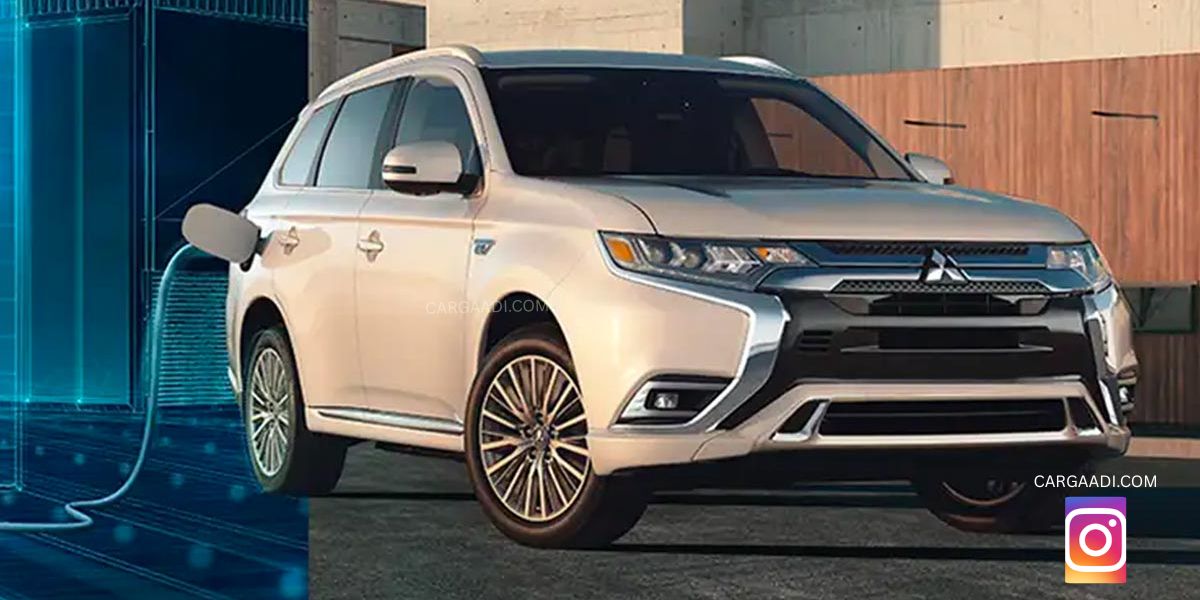
Long before electric vehicles became the center of the automotive world, Mitsubishi was already there.
Years before today’s wave of long-range electric SUVs and software-defined cars, the company introduced one of the earliest mass-produced modern EVs and proved electric mobility could exist beyond experiments and prototypes.
That history makes Mitsubishi’s current approach feel surprising.
While competitors accelerate aggressive EV launches and announce all-electric futures, Mitsubishi appears to be taking a much more measured path.
And that may not be hesitation.
It may be strategy.
Mitsubishi Was Earlier Than Many People Remember
When conversations about EV pioneers happen, names like Tesla usually dominate.
But Mitsubishi played an important role much earlier.
The Mitsubishi i-MiEV, introduced globally in the early 2010s, became one of the world’s first widely available modern battery-electric passenger vehicles.
At a time when EV infrastructure barely existed and public interest remained uncertain, Mitsubishi took a chance.
The company helped show that electric cars could move beyond concept stages and reach real customers.
Back then, being early mattered.
Today, being early is not necessarily enough.
Mitsubishi Is Taking A Different Road Into Electrification
Unlike manufacturers pushing full EV transitions as quickly as possible, Mitsubishi appears focused on a balanced product strategy.
The company continues investing across:
- Hybrid vehicles
- Plug-in hybrids
- Selected EV programs
- Regional product flexibility
- Alliance-based development
Rather than racing to fill every segment with battery-electric models, Mitsubishi seems more interested in timing launches carefully and controlling investment.
That approach reflects a changing market.
The Company Believes Not Every Market Is Moving At The Same Speed
Global EV adoption has become more complicated than early forecasts suggested.
Infrastructure growth differs by region.
Customer expectations vary.
Government incentives continue changing.
Mitsubishi appears to be responding by keeping multiple options available instead of committing entirely to one direction.
That does not mean EVs are no longer important.
It means the company may believe flexibility matters more.
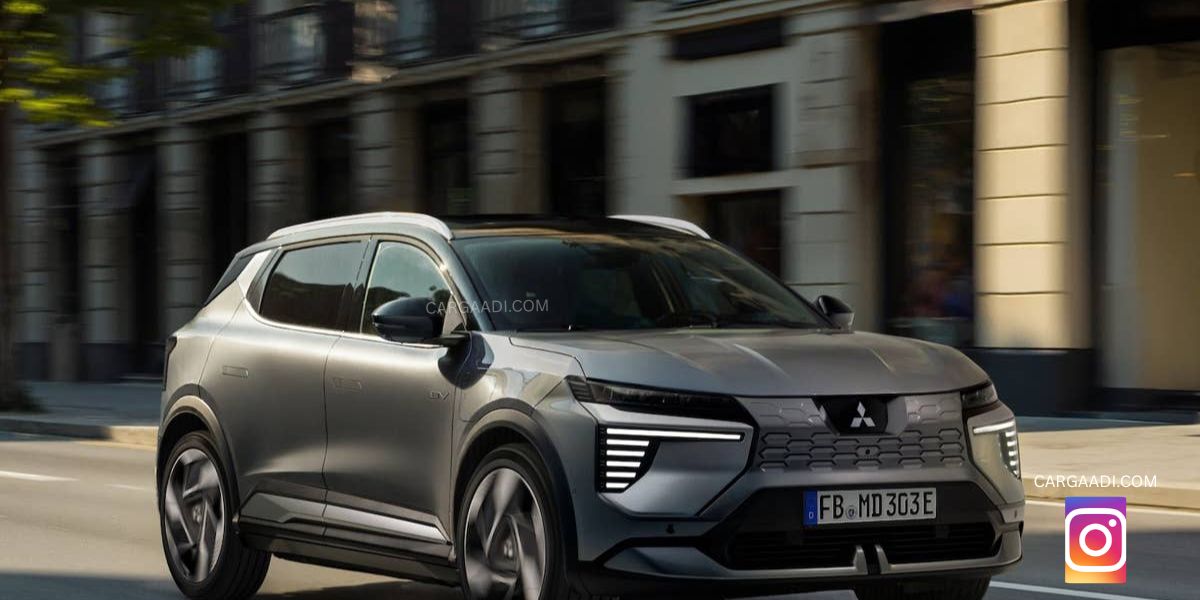
Mitsubishi Electrification Strategy – Expected Direction
| Category | Mitsubishi Direction |
|---|---|
| Battery EVs | Selective Expansion |
| Plug-In Hybrid | Major Focus |
| Hybrid Technology | Continued Growth |
| Global Markets | Region-Specific |
| Platform Development | Alliance Collaboration |
| Goal | Balanced Electrification |
Future strategy remains subject to official product announcements.
Why Plug-In Hybrids Still Matter To Mitsubishi
One of Mitsubishi’s strongest advantages has been plug-in hybrid experience.
Models like the Outlander PHEV helped establish credibility in electrified mobility without requiring full dependence on charging infrastructure.
That middle ground remains attractive in many regions.
Customers get:
Why Buyers Still Choose PHEVs
| Advantage | Real-World Benefit |
|---|---|
| Electric Driving | Lower fuel use |
| Petrol Backup | Longer flexibility |
| Easier Transition | Less charging pressure |
| Familiar Ownership | Reduced adjustment |
Mitsubishi appears to believe this category still has room to grow.
Being First Does Not Mean You Must Move Fast Forever
There is an interesting irony here.
A company that helped introduce modern EVs is now among the brands moving more cautiously.
But caution is not automatically resistance.
Automakers have learned that scale, profitability, charging infrastructure, supply chains, and customer demand matter just as much as technology.
Mitsubishi may simply be applying lessons learned from entering early.
Could Mitsubishi Surprise Everyone Again?
That possibility still exists.
The company remains connected to broader alliance resources and future platform opportunities.
If market conditions shift faster than expected, Mitsubishi already has experience most people forget it helped create.
Sometimes companies that appear quiet are simply waiting for the right moment.
Conclusion
Mitsubishi helped open the door to modern electric vehicles long before EVs became mainstream.
But instead of rushing back into the spotlight, the company appears focused on choosing where and when electrification makes sense.
That strategy may look slower.
But in an industry changing this quickly, moving carefully can sometimes be just as important as moving first.
Disclaimer
This article is based on publicly available industry reports, manufacturer information, and market observations available at the time of writing. Future electrification plans, launch schedules, technologies, and regional strategies remain subject to official confirmation from Mitsubishi Motors.