
Factories have always changed.
From hand-built cars to moving assembly lines, every major shift in automotive history has altered how people work.
But changes feel different when they happen in real time.
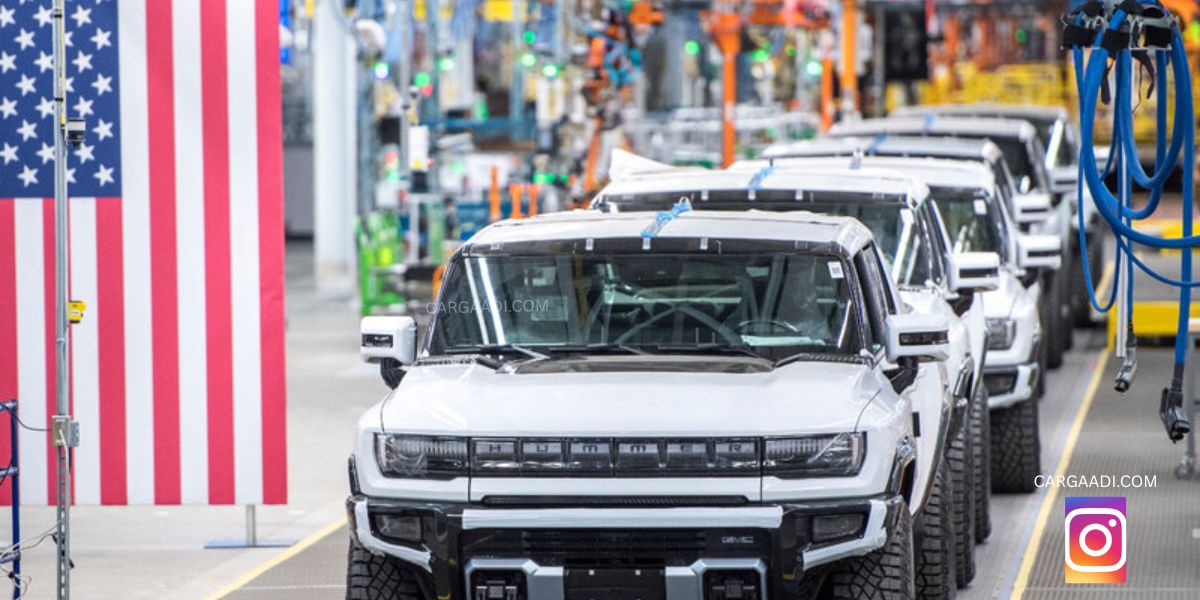
That is why General Motors’ latest move at its flagship EV facility is creating such a strong reaction. After reducing more than 1,000 jobs tied to electric vehicle operations, GM introduced 50 collaborative robots—known as cobots—onto the production line at Factory ZERO in Detroit.
For some people, this looks like modernization.
For others, it feels like a warning about where manufacturing is heading.
Factory ZERO Was Supposed To Represent GM’s EV Future
Factory ZERO has been one of GM’s most important manufacturing projects.
The facility was designed to become the company’s flagship electric vehicle plant and currently builds products including the Chevrolet Silverado EV and GMC Hummer EV.
But EV growth has not followed the smooth path many companies expected.
GM has already adjusted production schedules, paused output at times, and reduced EV capacity as market demand became less predictable.
That changing environment created pressure to lower costs and improve efficiency.
Then Came The Robots
According to reports, GM installed around 50 collaborative robots at Factory ZERO after workforce reductions at the facility. Unlike fully isolated industrial robots, cobots are designed to operate alongside human workers and assist with repetitive production tasks.
GM says the goal is not simply replacing people.
The company argues the technology helps improve:
- Worker ergonomics
- Production flexibility
- Manufacturing efficiency
- Workplace safety
- Long-term competitiveness
GM stated that similar technology is being introduced across parts of its manufacturing network.
Workers See The Story Differently
Not everyone agrees with that explanation.
Union representatives criticized the decision and argued that automation is removing opportunities from workers rather than supporting them.
According to reports, grievances were filed over concerns tied to staffing levels and robot integration inside the facility.
That reaction highlights a bigger question facing the entire industry:
If factories become more efficient, who benefits?
Why EV Factories Often Need Fewer People
Electric vehicles change more than engines.
They also change manufacturing.
Compared with traditional combustion vehicles, EV production can reduce complexity because there are fewer moving parts, fewer powertrain assemblies, and more opportunities for automation.
That does not automatically eliminate jobs.
But it often changes where those jobs exist.
Traditional Factory Vs Modern EV Factory
| Category | Traditional Vehicle Production | Modern EV Production |
|---|---|---|
| Engine Assembly | High Labor Demand | Reduced |
| Transmission Complexity | Higher | Lower |
| Automation Opportunity | Moderate | Higher |
| Battery Production | Limited | Major Focus |
| Software Integration | Lower | Higher |
This transition may become one of the largest workforce changes the auto industry has seen in decades.
The Bigger Issue Is Not GM Alone
GM is not the only company facing this pressure.
Across the industry, manufacturers are trying to balance:
- Slower-than-expected EV demand
- Rising labor costs
- Competition from global automakers
- Pressure to maintain profitability
- Increasing automation capabilities
Recent reports show GM has already adjusted EV production plans multiple times while continuing to invest in manufacturing modernization.
That suggests the company sees automation as part of long-term survival rather than a temporary experiment.
This Debate Is Only Getting Started
The difficult reality is that both sides can believe they are right.
Manufacturers want efficiency.
Workers want stability.
Customers want lower prices.
Technology keeps moving forward.
Factory ZERO may simply be an early example of a conversation that many industries will face over the next decade.
Conclusion
GM’s decision to reduce jobs at its EV plant and then introduce robots created a powerful image of where modern manufacturing may be headed.
Supporters see smarter factories.
Critics see disappearing opportunities.
Either way, one thing is becoming clear:
The future of car production may involve fewer repetitive tasks—and far more collaboration between humans and machines.
Disclaimer
This article is based on publicly available reports and manufacturer statements available at the time of writing. Workforce changes, automation deployment, production plans, and EV strategy may evolve as GM updates operations and market conditions change.