
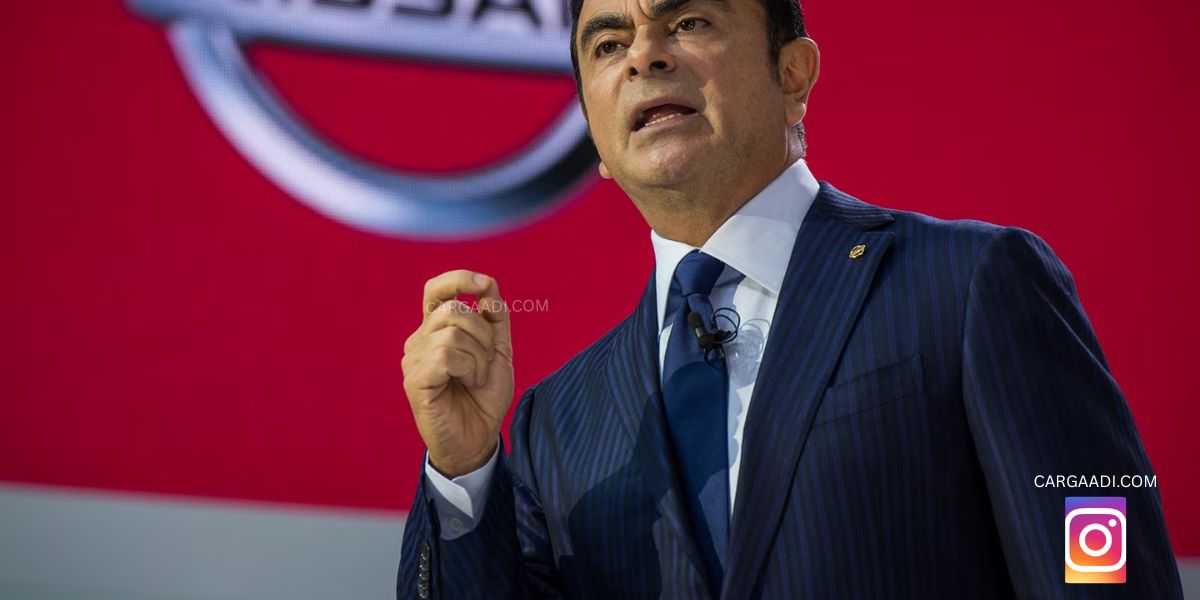
Few names in the modern car industry create reactions as strong as Carlos Ghosn.
Years after his dramatic exit from Nissan, the former executive is once again making headlines after reports suggested frustrated shareholders openly discussed bringing him back during a difficult period for the company. Ghosn did not hold back in his response, describing the situation as a sign of desperation rather than a real solution.
The moment has reopened an old debate: can a company rebuild by returning to its past, or does it need a completely new direction?
Why Nissan Shareholders Are Looking Back
Nissan has faced a difficult stretch marked by slowing momentum, restructuring efforts, leadership changes, and pressure to improve financial performance.
During discussions surrounding the company’s future, some investors reportedly referenced the years when Nissan experienced stronger growth and global expansion under Carlos Ghosn’s leadership. That period helped shape the image of Ghosn as one of the industry’s most influential executives.
But nostalgia and strategy are not always the same thing.
For some shareholders, mentioning Ghosn reflected frustration and a desire to see stronger results rather than a realistic proposal for leadership change.
Carlos Ghosn’s Reaction
According to reports, Ghosn reacted sharply to the idea of returning.
Rather than presenting himself as a solution, he reportedly suggested that calls for his comeback reflected deeper concerns inside Nissan and showed that confidence in the company’s current direction remains under pressure.
His comments quickly attracted attention because they carried both criticism and symbolism.
Years after leaving the company, Ghosn’s name still appears whenever Nissan faces difficult questions.
A Complicated Legacy
There is no denying that Carlos Ghosn played a major role in transforming Nissan during his years in charge.
Under his leadership, the company became known for aggressive cost control, global expansion, and stronger market competitiveness.
At the same time, his departure and the events that followed created one of the most dramatic corporate stories in automotive history, leaving lasting effects on Nissan’s reputation and leadership structure.
Where Nissan Goes From Here
Whether shareholders miss the results, the leadership style, or simply a period of stronger performance, most industry observers agree on one thing: Nissan’s long-term future cannot depend on returning to a previous era.
The company now faces pressure to strengthen product planning, improve competitiveness, and rebuild confidence among investors and customers.
The Bigger Question
The conversation around Ghosn may say less about one individual and more about the expectations surrounding Nissan itself.
When shareholders begin looking backward for answers, it often reflects uncertainty about what comes next.
For Nissan, the challenge is proving that its next successful chapter can be built without revisiting the old one.
Disclaimer
This article is based on publicly available reporting and commentary available as of June 2026. Statements attributed to individuals may reflect opinions and should not be interpreted as official corporate positions unless formally announced.