
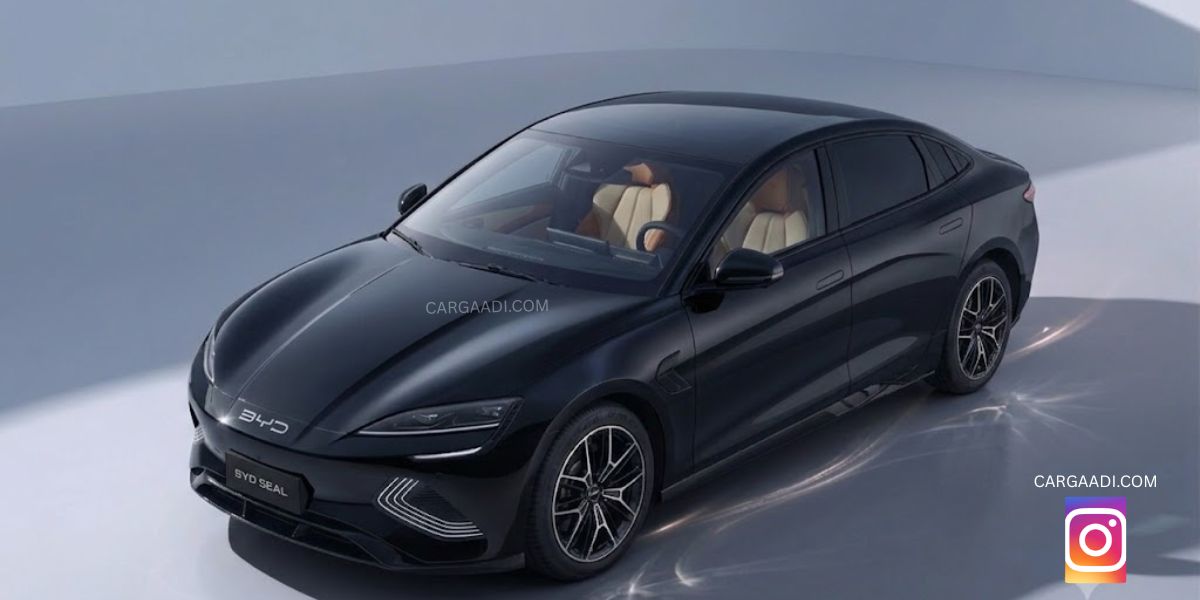
Chinese EV giant BYD has come under scrutiny in Australia after an administrative error resulted in hundreds of customers receiving 2025-built vehicles that were documented and sold as 2026 models. While the company maintains there was no intention to mislead buyers and insists the vehicles are mechanically identical, the incident has raised concerns about vehicle documentation, resale value, insurance, and consumer trust.
According to reports, more than 1,200 customers across multiple BYD models were affected by the paperwork mistake. The issue came to light after buyers were informed that the build year of their vehicles differed from what was listed in their purchase contracts and registration documents.
What Exactly Happened?
The controversy revolves around the build year rather than the model’s design or specifications.
Customers believed they were purchasing 2026 model-year vehicles, but BYD later informed many of them that their cars had actually been manufactured in 2025. The company described the issue as an administrative processing error, stating that there were no mechanical or feature differences between the affected vehicles and those sold as 2026 models.
Despite this explanation, several buyers expressed disappointment, arguing that a vehicle’s production year can influence its future resale value and may create confusion when obtaining insurance or selling the car later.
Customer Compensation
To address the issue, BYD contacted affected customers and offered compensation.
| Detail | Information |
|---|---|
| Company | BYD |
| Issue | 2025-built vehicles documented as 2026 models |
| Customers Affected | More than 1,265 |
| Models Involved | Multiple BYD models |
| Compensation Offered | Around AUD 1,100 for many customers |
| Current Status | Customers contacted; issue under review |
While many customers accepted the compensation package, others argued that the payment did not fully account for the potential impact on resale value and requested additional remedies.
BYD’s Response
BYD stated that the mistake resulted from an internal administrative error rather than any deliberate attempt to misrepresent its vehicles.
The company apologised to affected owners and offered them several options, including financial compensation and, in some cases, the opportunity to return or repurchase the vehicle under revised arrangements. BYD also said it is reviewing its internal processes to help prevent similar issues in the future.
Consumer Protection Concerns
The incident has also drawn attention from Australian consumer authorities.
The Australian Competition and Consumer Commission (ACCC) reminded businesses that consumers are entitled to accurate information about the products they purchase. If customers believe they have been misled or are unable to reach a satisfactory resolution with a seller, they may seek assistance through the appropriate consumer protection channels.
Although the vehicles themselves were not reported to have any safety or mechanical defects, the case highlights how accurate documentation is an important part of vehicle ownership.
Could This Affect BYD’s Reputation?
BYD has experienced rapid global growth in recent years and continues expanding into markets across Europe, Asia, and Australia. However, incidents involving vehicle documentation can affect customer confidence, particularly in highly competitive automotive markets where trust and transparency are essential.
Industry observers believe the company’s response and its ability to resolve customer concerns quickly will play an important role in maintaining its reputation.
Conclusion
The controversy surrounding BYD’s sale of 2025-built vehicles as 2026 models appears to stem from an administrative error rather than a change in the vehicles themselves. Even so, the incident has highlighted the importance of accurate documentation, especially when production year can influence resale value and buyer expectations.
By offering compensation and acknowledging the mistake, BYD has taken steps to address customer concerns. Whether those measures are sufficient will depend on how affected buyers respond and how effectively the company strengthens its internal processes going forward.
Disclaimer
This article is based on publicly reported information available at the time of writing. The reported issue relates to vehicle documentation and model-year designation, not to the mechanical quality or safety of the affected vehicles. The situation may evolve as BYD continues working with customers and relevant authorities.