
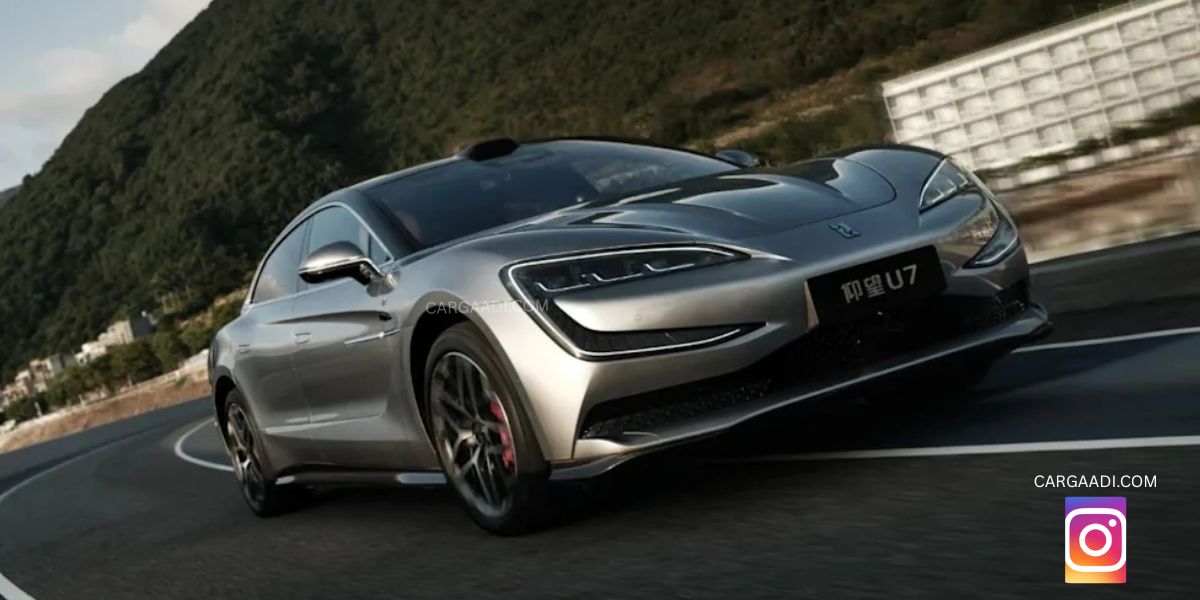
A serious high-speed crash involving a BYD-built luxury electric vehicle has drawn widespread attention after reports claimed the car unexpectedly steered toward a roadside barrier while travelling at nearly 150 mph (around 241 km/h). The incident has sparked discussions about advanced driver assistance systems (ADAS), vehicle safety, and the responsibilities of both manufacturers and drivers when using partially automated driving technologies.
While investigators continue to determine the exact cause of the accident, there is currently no official conclusion that a vehicle defect or driver assistance system failure caused the crash. Authorities and the manufacturer are analysing vehicle data and other evidence to establish what happened.
What Happened?
According to reports, the luxury electric vehicle was travelling at approximately 150 mph (241 km/h) before it reportedly changed direction and struck a roadside barrier. The incident occurred at extremely high speed, making the impact particularly severe.
Investigators are examining several factors, including vehicle telemetry, road conditions, driver inputs, and the status of any active driver assistance systems at the time of the crash. At this stage, officials have not confirmed whether the steering input came from the driver, an assistance feature, or another factor.
Vehicle Overview (Reported Model)
| Specification | Details* |
|---|---|
| Vehicle Type | Luxury Electric Sedan / GT |
| Manufacturer | BYD (Reportedly Built) |
| Estimated Powertrain | Dual or Triple Electric Motors |
| Estimated Power Output | Up to 950+ hp (Variant Dependent) |
| Drivetrain | All-Wheel Drive |
| Top Speed | Around 240 km/h (Variant Dependent) |
| Fast Charging | Supported |
Specifications vary by model and market. Authorities have not released full official details regarding the specific vehicle involved.
Investigation Focus
The ongoing investigation is expected to examine several critical areas:
- Driver actions before the crash
- Steering system operation
- Vehicle speed and braking data
- Road surface and environmental conditions
- Status of ADAS functions
- Event data recorder (black box) information
These findings will help determine whether the incident resulted from human error, mechanical issues, software behaviour, or another contributing factor.
Understanding Driver Assistance Systems
Modern electric vehicles are equipped with advanced technologies such as:
- Adaptive Cruise Control
- Lane Keeping Assist
- Automatic Emergency Braking
- Blind Spot Monitoring
- Highway Driving Assist
However, these systems are driver assistance features rather than fully autonomous driving systems. Manufacturers generally require drivers to remain attentive, keep their hands on the steering wheel when necessary, and be prepared to take control at any moment.
High-Speed Driving Carries Significant Risks
Travelling at speeds close to 150 mph dramatically reduces reaction time and increases stopping distance. Even advanced safety systems have physical limitations at extremely high speeds.
At such velocities:
- Small steering movements have a much greater effect.
- Braking distances increase substantially.
- Tyre loads become much higher.
- Collision forces rise dramatically.
For these reasons, manufacturers and safety authorities emphasise that driver assistance technologies cannot overcome the laws of physics.
Manufacturer And Authorities Yet To Reach Conclusions
Neither BYD nor investigating authorities have announced a final determination regarding the cause of the crash. The investigation remains ongoing, and any conclusions about vehicle performance or system behaviour will depend on the analysis of technical data and official findings.
It is therefore important to avoid drawing conclusions before the investigation is completed.
Conclusion
The reported high-speed crash involving a BYD-built luxury EV highlights the importance of understanding both the capabilities and the limitations of modern driver assistance systems. While early reports suggest the vehicle moved toward a barrier at extremely high speed, investigators have not yet determined why the incident occurred.
As authorities continue examining the evidence, the findings are expected to provide valuable insights into vehicle safety, high-speed driving, and the role of advanced assistance technologies in real-world situations.
Disclaimer
This article is based on publicly available reports and preliminary information available at the time of writing. The investigation into the incident is ongoing, and no official conclusion has been reached regarding the cause of the crash or the involvement of any vehicle systems. Readers should refer to official statements from investigating authorities and the manufacturer for confirmed updates.