
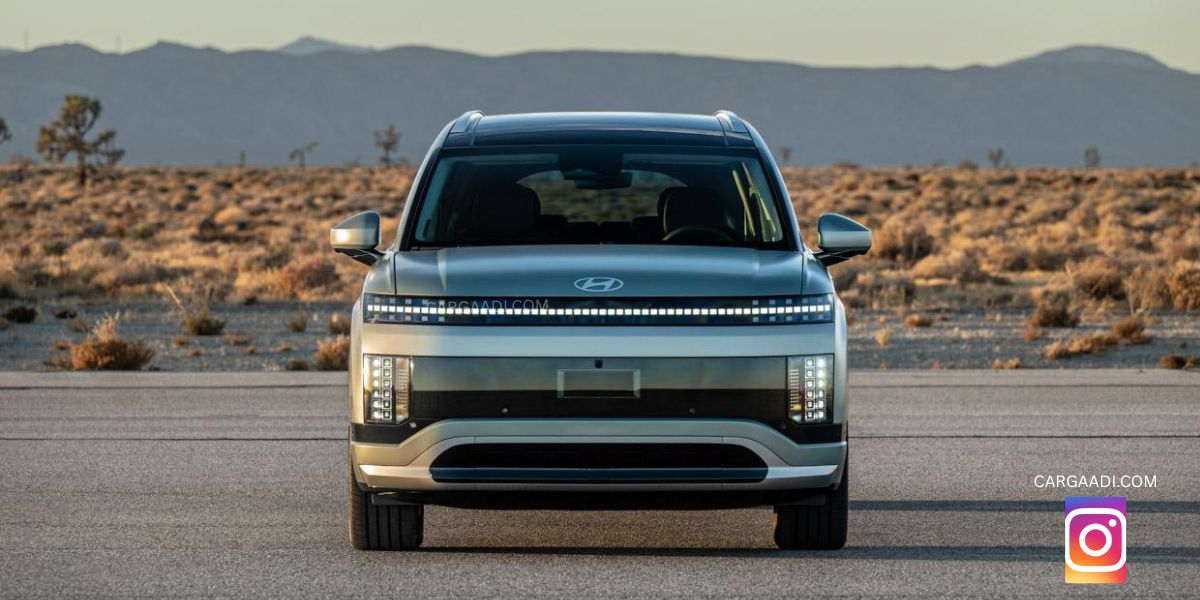
The Hyundai Ioniq 9 arrived as a bold new three-row electric SUV, promising a quiet cabin, generous space and impressive long-distance capability. But a new safety recall has put one of its most comfortable features—the powered second-row seats—under the spotlight.
Hyundai Motor America is recalling 5,360 examples of the 2026 Ioniq 9 because the second-row power seats may fail to detect a person during certain powered movements. Hyundai reported five consumer complaints connected with the condition, including two alleged minor injuries. The recall was reported to NHTSA on September 11, 2026. (RoadVitals)


Hyundai Ioniq 9 Recall: What Is The Problem?
The issue involves the second-row powered seats. Under certain circumstances, the seats may not correctly recognize a person in their path while performing powered functions, including automatic fold-and-stow operations.
If the seat continues moving after making contact instead of responding as intended, an occupant could potentially become trapped. The recall notice specifically highlights the increased risk of injury, particularly for children. (RoadVitals)
Two Alleged Minor Injuries Reported
Hyundai’s investigation found five consumer complaints associated with the recall condition. Two of those complaints involved alleged minor injuries. These are reported allegations contained in the recall information and should not be interpreted as independently verified findings. (autoevolution)
The company subsequently developed revised software for the seat controller to improve the anti-pinch logic and the way the power-seat system responds when it encounters an occupant or object.
Which Hyundai Ioniq 9 Models Are Affected?
2026 Ioniq 9 Limited, Calligraphy And Calligraphy Design
The recall applies to certain 2026 Hyundai Ioniq 9 vehicles equipped with the Limited, Calligraphy and Calligraphy Design trim packages.
The affected vehicles were produced between March 17, 2025, and May 4, 2026, with 5,360 vehicles potentially involved. The NHTSA campaign number is 26V588000, while Hyundai’s campaign number is 307. (RoadVitals)


2026 Hyundai Ioniq 9 Specifications And Price
The recall does not change the Ioniq 9’s electric powertrain specifications. Hyundai offers the large SUV with rear-wheel drive and all-wheel drive, while the range-topping versions deliver up to 422 hp. (Hyundai USA)
| Specification | 2026 Hyundai Ioniq 9 |
|---|---|
| Powertrain | Fully electric |
| Battery | 110.3 kWh lithium-ion |
| Base drivetrain | Rear-wheel drive |
| Base power | 215 hp |
| AWD power | Up to 422 hp |
| Maximum AWD torque | 700 Nm |
| Maximum EPA range | Up to 335 miles / 539 km |
| Seating | Up to 7 passengers |
| Fast charging | 10–80% in about 24 minutes |
| Starting price | $58,955 |
| Top listed price | $76,490 |
Hyundai’s official U.S. figures show the 2026 Ioniq 9 starts at $58,955. The S trim offers up to 335 miles of EPA-estimated range, while the Limited, Calligraphy and Calligraphy Design versions are rated at 311 miles. AWD versions can produce up to 422 hp and 700 Nm of torque. (Hyundai USA)
2026 Ioniq 9 Price By Trim
| Trim | Starting MSRP |
|---|---|
| Ioniq 9 S | $58,955 |
| Ioniq 9 SE | $62,765 |
| Ioniq 9 SEL | $66,320 |
| Ioniq 9 Limited | $71,250 |
| Ioniq 9 Calligraphy | $74,990 |
| Ioniq 9 Calligraphy Design | $76,490 |
Prices are U.S. MSRPs and exclude freight, taxes, title, license fees and optional equipment. (Hyundai USA)
What Is Hyundai Doing To Fix The Recall?
Free Software Update
The good news for affected owners is that the remedy is a software update rather than a replacement of the entire seat assembly. Hyundai has revised the seat-controller software to improve the power-seat detection and anti-pinch logic.
Eligible vehicles can receive the update over the air through Hyundai Bluelink, while others can have the software updated by a dealer. The repair is being provided free of charge. (RoadVitals)
What Owners Should Do
Until the repair is completed, Hyundai advises owners to use caution when operating the second-row power-seat functions. Children should not be sitting in or near the rear seating area while the power-folding function is being operated. (RoadVitals)
Owner notification letters are scheduled to be mailed beginning November 9, 2026, while affected VINs can already be checked through the NHTSA recall system. (RoadVitals)


Ioniq 9 Still Offers Impressive Electric SUV Technology
Away from the recall, the Ioniq 9 remains an important model for Hyundai’s electric-vehicle strategy. Its 110.3-kWh battery, three-row cabin and 800-volt charging architecture give it the ability to combine family practicality with long-distance EV capability.
With a suitable 350-kW DC fast charger, Hyundai says the Ioniq 9 can recharge from 10 to 80 percent in approximately 24 minutes. The SUV also offers different power outputs depending on trim and drivetrain, ranging from 215 hp in the rear-wheel-drive S to 422 hp in higher AWD versions. (Hyundai USA)
Final Word
The Hyundai Ioniq 9’s latest recall is focused on a specific second-row power-seat software issue affecting 5,360 vehicles. Five consumer complaints were known to Hyundai when the recall decision was made, including two reports of alleged minor injuries. (autoevolution)
The remedy is a free software update designed to improve the seat’s ability to detect an occupant or obstruction during powered operation. For affected owners, checking the VIN and completing the recall repair is an important step toward ensuring the vehicle’s seating system operates as intended.
Disclaimer
This article is intended for general informational purposes only. Recall coverage depends on the vehicle identification number, production date and equipment, so not every 2026 Ioniq 9 is necessarily affected. The two injuries mentioned are alleged injuries reported in connection with consumer complaints and are not presented as independently verified findings. Prices and specifications are U.S.-market figures and may differ in India and other countries. Always verify recall status and repair instructions with Hyundai or the relevant safety authority before taking action. (RoadVitals)