
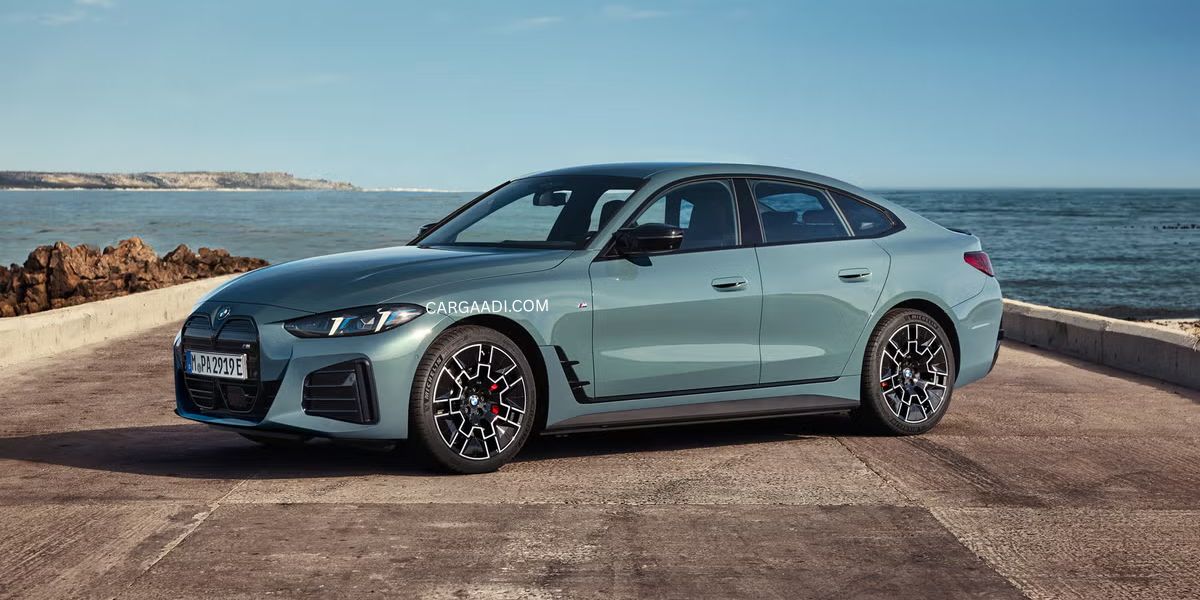
There’s a quiet shift happening in the world of luxury cars in India. The focus is no longer just on comfort and prestige—it’s also about sustainability and innovation. In FY26, BMW has taken a significant lead by outperforming Mercedes-Benz in luxury electric vehicle sales.
This moment is more than just a change in numbers. It reflects how buyers are thinking differently, choosing vehicles that combine luxury with a cleaner future.
Understanding the Shift in Luxury EV Preferences
Luxury car buyers today are looking beyond traditional features. They want advanced technology, longer driving range, and a seamless electric experience.
BMW has managed to connect with these expectations by offering a strong lineup of electric vehicles that feel modern, powerful, and refined. This approach has helped the brand gain an edge in a segment where competition is intense and expectations are high.
Luxury Electric Cars – Price & Specifications Overview
BMW vs Mercedes-Benz EV Lineup
| Model | Battery Capacity | Range (Approx.) | Power | Starting Price (Approx.) |
|---|---|---|---|---|
| BMW i4 | 83.9 kWh | 590 km | 340 PS | ₹72 lakh |
| BMW iX | 76.6–111.5 kWh | 425–635 km | 326–523 PS | ₹1.21 crore |
| BMW i7 | 101.7 kWh | 600 km | 544 PS | ₹2.03 crore |
| Mercedes EQA | 70.5 kWh | 560 km | 190 PS | ₹67 lakh |
| Mercedes EQB | 66.5 kWh | 423 km | 228 PS | ₹74 lakh |
| Mercedes EQS | 107.8 kWh | 677 km | 523 PS | ₹1.59 crore |
Why BMW Is Leading the Luxury EV Space
A Blend of Performance and Innovation
BMW’s electric cars offer a driving experience that feels both exciting and effortless. Models like the BMW i4 and BMW iX deliver strong performance along with impressive range, making them practical for Indian conditions.
The interiors feel premium, the technology feels intuitive, and the overall experience feels complete—something that modern luxury buyers truly appreciate.
Mercedes-Benz Still Holds Strong Appeal
Luxury That Continues to Inspire
Even though BMW has taken the lead, Mercedes-Benz continues to be a strong player in the EV space. Cars like the Mercedes-Benz EQS offer unmatched comfort and futuristic design.
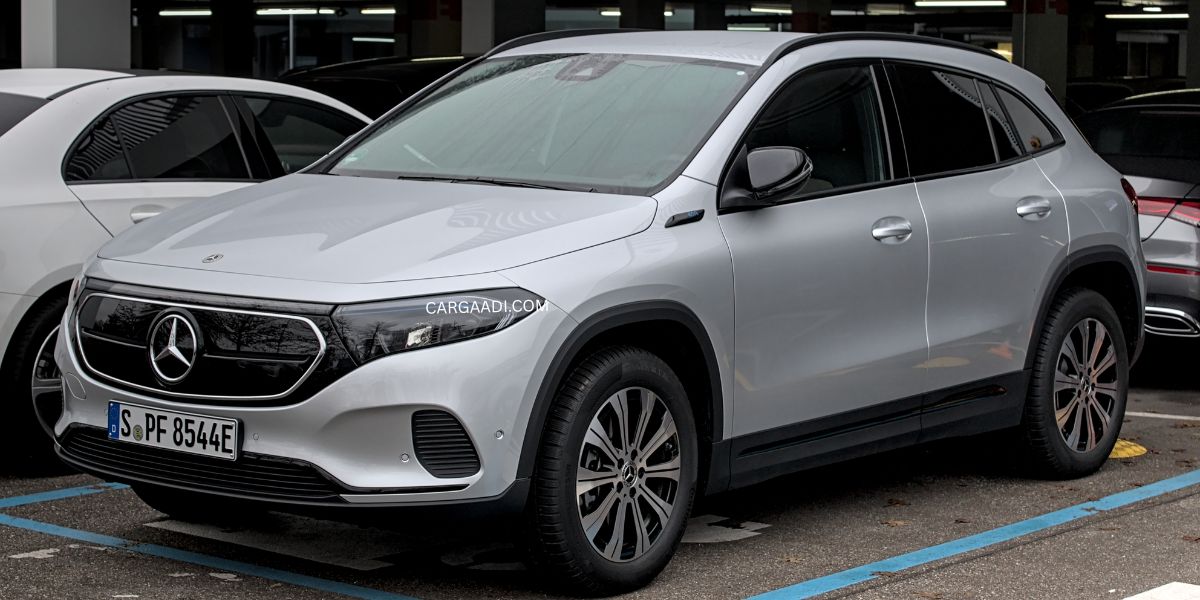
For many buyers, Mercedes-Benz still represents timeless luxury, and its electric lineup continues to attract attention.
What This Means for the Indian Market
The rise of BMW in FY26 shows how quickly the luxury EV segment is evolving. Buyers are no longer hesitant about electric vehicles—they are embracing them with confidence.
This competition between two global giants is also good news for customers, as it leads to better products, improved technology, and more choices.
A New Definition of Luxury
Luxury today is not just about leather seats and powerful engines. It’s about silence, smoothness, and sustainability. It’s about driving something that feels advanced and responsible at the same time.
BMW’s success in FY26 reflects this new definition, where innovation plays as important a role as comfort.
A Future Driven by Change
As more buyers move towards electric mobility, the competition in the luxury segment will only grow stronger. Brands will continue to innovate, pushing the boundaries of what electric cars can offer.
For buyers, this means an exciting future filled with smarter, cleaner, and more refined driving experiences.
Disclaimer
The sales comparison, specifications, range figures, and prices mentioned in this article are based on available industry data and estimates for FY26. Actual sales numbers and specifications may vary depending on official reports from BMW and Mercedes-Benz. Prices may differ based on location, variant, and dealership. Readers are advised to verify details from official sources before making any purchase decision.