
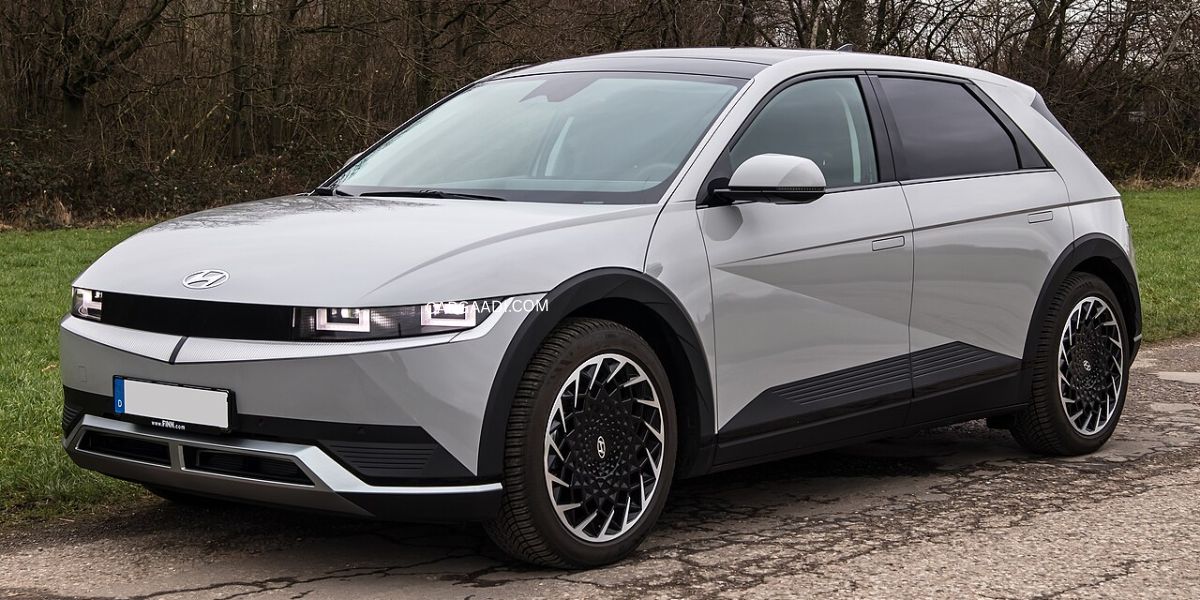
The American automotive market is undergoing a remarkable transformation. Even though electric vehicles often carry higher upfront prices than traditional gasoline-powered cars, a growing number of buyers are still choosing to make the switch. Across the United States, EV owners are increasingly trading in their gas-powered vehicles and embracing electric mobility, signaling a major shift in consumer behavior.
For years, high purchase prices were considered one of the biggest barriers to electric vehicle adoption. However, recent trends suggest that many consumers are now looking beyond the sticker price and focusing on long-term benefits such as lower fuel costs, reduced maintenance expenses, improved technology, and environmental considerations.
The result is a market where electric vehicles continue gaining traction despite economic uncertainties and pricing challenges.
Why More Americans Are Switching to Electric Vehicles
The decision to trade a gasoline vehicle for an EV is no longer driven by a single factor. Today’s buyers are weighing multiple advantages that extend beyond fuel savings.
Modern electric vehicles offer impressive driving ranges, advanced technology features, quiet operation, and instant acceleration. Many consumers who experience EV ownership for the first time find it difficult to return to traditional internal combustion vehicles.
This growing enthusiasm is helping sustain EV demand even when prices remain higher than comparable gasoline models.
Higher Prices Are Not Stopping Buyers
Looking Beyond the Initial Purchase Cost
While electric vehicles generally cost more upfront, many buyers view them as long-term investments.
Lower operating costs often help offset the higher purchase price over time. Electricity is typically cheaper than gasoline on a per-mile basis, and EVs contain fewer moving parts that require maintenance.
For many households, these savings become increasingly attractive as fuel prices fluctuate.
Technology Is Becoming a Major Selling Point
Modern EVs are packed with features that appeal to technology-focused consumers.
Large digital displays, advanced driver-assistance systems, over-the-air software updates, connected vehicle services, and intelligent navigation systems are now common across many electric models.
These innovations create a more modern driving experience that many buyers find difficult to ignore.
The Trade-In Trend Continues to Grow
Gas Vehicles Remain the Most Common Trade-Ins
Industry data continues to show that the majority of EV buyers are still trading in traditional gasoline-powered vehicles.
This trend highlights the ongoing transition from conventional transportation to electrified mobility. Rather than replacing one EV with another, many consumers are making their first move into electric ownership.
First-Time EV Buyers Drive Demand
A significant portion of the market’s growth is being fueled by drivers who have never owned an electric vehicle before.
As charging infrastructure improves and public awareness increases, more consumers feel comfortable making the transition.
Factors Encouraging EV Adoption in the USA
Expanding Charging Networks
One of the biggest concerns for potential EV buyers has always been charging accessibility.
Fortunately, public charging infrastructure continues to expand across the United States. Faster charging stations and improved network coverage are making long-distance travel more practical for EV owners.
Improved Battery Technology
Battery advancements have significantly increased vehicle range while reducing charging times.
Many modern EVs can now travel hundreds of miles on a single charge, addressing concerns about range anxiety and making electric ownership more convenient.
Environmental Awareness
Many buyers are also motivated by environmental considerations.
Reducing tailpipe emissions and supporting cleaner transportation solutions are important factors for consumers who want to minimize their environmental impact.
Technical Comparison: EV vs Gasoline Vehicle
General Vehicle Comparison
| Specification | Electric Vehicle | Gasoline Vehicle |
|---|---|---|
| Power Source | Battery Pack | Internal Combustion Engine |
| Fuel Cost | Lower | Higher |
| Maintenance | Lower | Higher |
| Instant Torque | Yes | Limited |
| Tailpipe Emissions | Zero | Present |
| Noise Levels | Very Quiet | Higher |
| Charging/Refueling | Charging Required | Gas Stations |
| Software Updates | Common | Limited |
Average Pricing Comparison in the USA
Vehicle Pricing Overview
| Vehicle Category | Average Price |
|---|---|
| Entry-Level Gas Car | $25,000 – $35,000 |
| Mid-Size Gas SUV | $35,000 – $50,000 |
| Entry-Level EV | $35,000 – $50,000 |
| Premium EV | $50,000 – $90,000 |
| Luxury EV | $90,000+ |
Although EVs often remain more expensive initially, incentives and lower ownership costs can help narrow the gap over time.
What Buyers Are Saying About EV Ownership
Convenience and Daily Use
Many EV owners report that charging at home becomes one of the biggest advantages of ownership.
Instead of making regular trips to gas stations, drivers can begin each day with a fully charged vehicle.
Reduced Maintenance Stress
Without oil changes, spark plugs, transmission servicing, or many traditional engine components, EV ownership often involves fewer maintenance requirements.
This simplicity is becoming a major selling point for many consumers.
Challenges Still Facing the EV Market
Upfront Affordability
Despite growing popularity, higher purchase prices remain a challenge for some buyers.
Manufacturers continue working to reduce battery costs and introduce more affordable models to attract a broader customer base.
Charging Accessibility in Certain Regions
While charging networks are improving, some rural areas still lack extensive charging infrastructure.
Continued investment will be essential to support nationwide EV adoption.
The Future of EV Adoption in America
The trend of trading gasoline vehicles for electric models is expected to continue as technology improves and costs gradually decline.
Automakers are investing billions of dollars into electrification, while governments and private companies continue expanding charging infrastructure. These developments are creating an environment where EV ownership becomes increasingly practical for mainstream consumers.
As more drivers experience the benefits of electric vehicles firsthand, adoption rates are likely to rise even further.
Final Thoughts
The fact that EV buyers in the United States continue trading in gasoline vehicles despite higher prices demonstrates how consumer priorities are changing. While affordability remains an important factor, many buyers are placing greater value on technology, lower operating costs, environmental benefits, and long-term ownership advantages.
Electric vehicles are no longer viewed as niche products for early adopters. They are becoming mainstream transportation choices for families, commuters, and everyday drivers across the country.
Although challenges remain, the continued willingness of consumers to switch from gas-powered vehicles to EVs suggests that America’s transition toward electric mobility is gaining momentum and may accelerate even further in the years ahead.
Disclaimer
The information presented in this article is based on publicly available automotive industry reports, market trends, consumer studies, and U.S. vehicle sales data available at the time of writing. Pricing, adoption rates, ownership costs, incentives, and market conditions may vary by region and over time. Readers should consult official manufacturer websites, government resources, and financial advisors for the most accurate and up-to-date information before making vehicle purchasing decisions. This article is intended for informational purposes only and should not be considered financial, investment, or purchasing advice.