
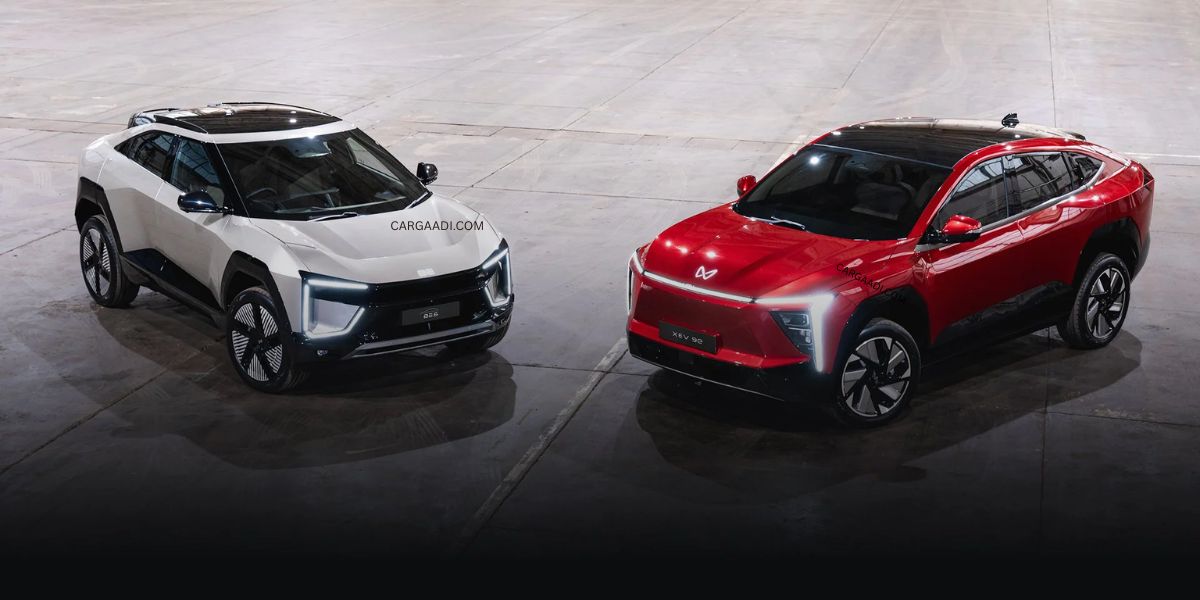
The shift toward electric vehicles in Delhi is not just a government move—it feels like a shared journey toward cleaner air, quieter streets, and a more sustainable future. The Delhi EV Policy 2026 brings fresh hope for people who want to switch to electric but worry about costs. If you’ve been thinking about buying an EV, this guide will help you understand everything in a clear and friendly way.
Why This Policy Matters to Everyday People
Living in a city like Delhi means dealing with traffic, pollution, and rising fuel prices every day. Electric vehicles promise relief, but affordability has always been a concern. That’s exactly where the 2026 policy steps in—it makes EVs more accessible by reducing the financial burden through subsidies and incentives.
You don’t need to be an expert to understand it. Think of it as the government helping you pay less upfront so you can enjoy long-term savings and contribute to a cleaner environment.
Subsidies for Electric Two-Wheelers
Electric scooters and bikes are often the first choice for daily commuters, students, and families. The Delhi EV Policy 2026 continues to support this segment generously.
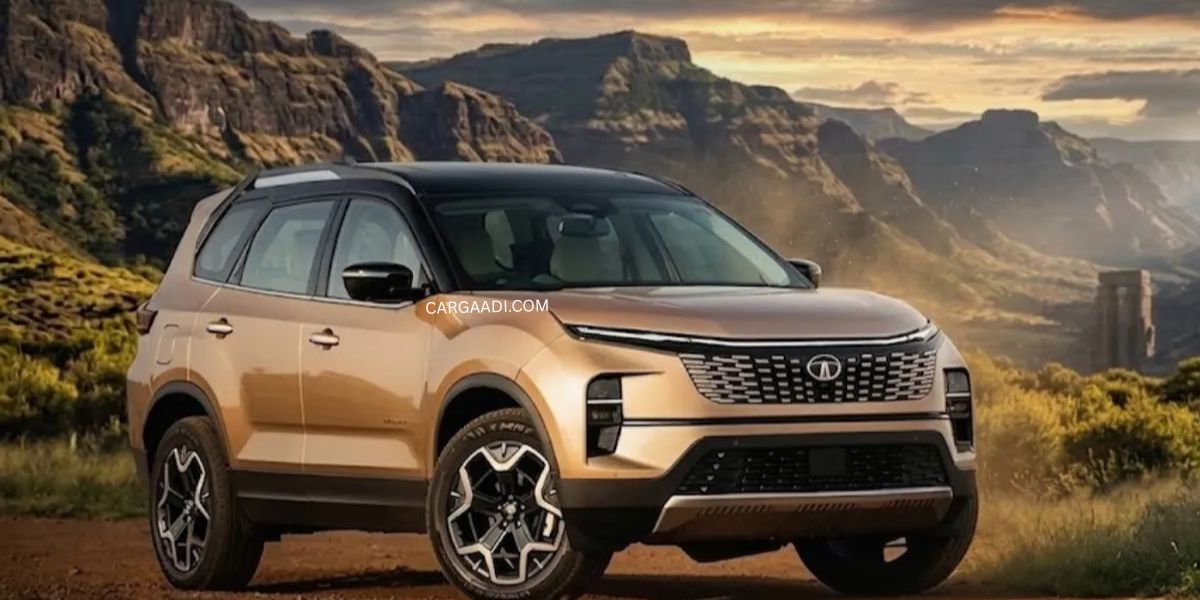
The subsidy is mainly based on battery capacity, which means the better the battery, the higher the support you receive. There is also a cap to ensure fair distribution.
Here is a simple table to help you understand:
| Category | Subsidy Rate | Maximum Subsidy | Additional Benefits |
|---|---|---|---|
| Electric Two-Wheelers | ₹5,000 per kWh | Up to ₹30,000 | Road tax exemption, registration fee waiver |
This means if you’re buying a good electric scooter, a significant portion of the cost is already reduced before you even start riding it.
What makes this even more comforting is the long-term savings. No petrol, low maintenance, and smooth rides—it’s not just about saving money, it’s about peace of mind.
Subsidies for Electric Four-Wheelers
For families or individuals planning to upgrade to an electric car, the policy also provides meaningful support, although slightly more structured compared to two-wheelers.
The focus here is on encouraging adoption without overwhelming the budget. The subsidies are more targeted and often linked to specific categories like private cars or commercial use.
Here’s a clear breakdown:
| Category | Subsidy Rate | Maximum Subsidy | Additional Benefits |
|---|---|---|---|
| Electric Four-Wheelers | ₹10,000 per kWh | Up to ₹1,50,000 | Road tax exemption, registration fee waiver |
This support makes electric cars feel less like a luxury and more like a practical choice. When combined with lower running costs, the overall ownership experience becomes surprisingly affordable.
Real Cost vs Savings: What You Actually Pay
At first glance, electric vehicles may still seem slightly expensive compared to petrol or diesel options. But once you subtract the subsidy and add the savings on fuel and maintenance, the story changes completely.
You’re not just buying a vehicle—you’re investing in a future where you spend less every month and breathe cleaner air every day.
Emotional Side of Going Electric
There’s something deeply satisfying about riding or driving silently, knowing you’re not contributing to pollution. It’s a small but powerful step that connects you to a bigger purpose.
Families feel safer, commuters feel smarter, and the city feels lighter. That’s the emotional impact this policy quietly supports.
Final Thoughts
The Delhi EV Policy 2026 is not complicated when you look at it closely. It’s designed to support real people—students, families, professionals—who want to make a better choice but need a little push.
Whether you’re planning to buy a scooter for daily rides or a car for your family, the subsidies make the decision easier and more meaningful.
Disclaimer
The subsidy figures and policy details mentioned above are based on publicly available information and expected updates for 2026. Actual benefits may vary depending on official government notifications, vehicle eligibility, and implementation guidelines. It is always recommended to verify details with authorized dealers or official government sources before making a purchase decision.