
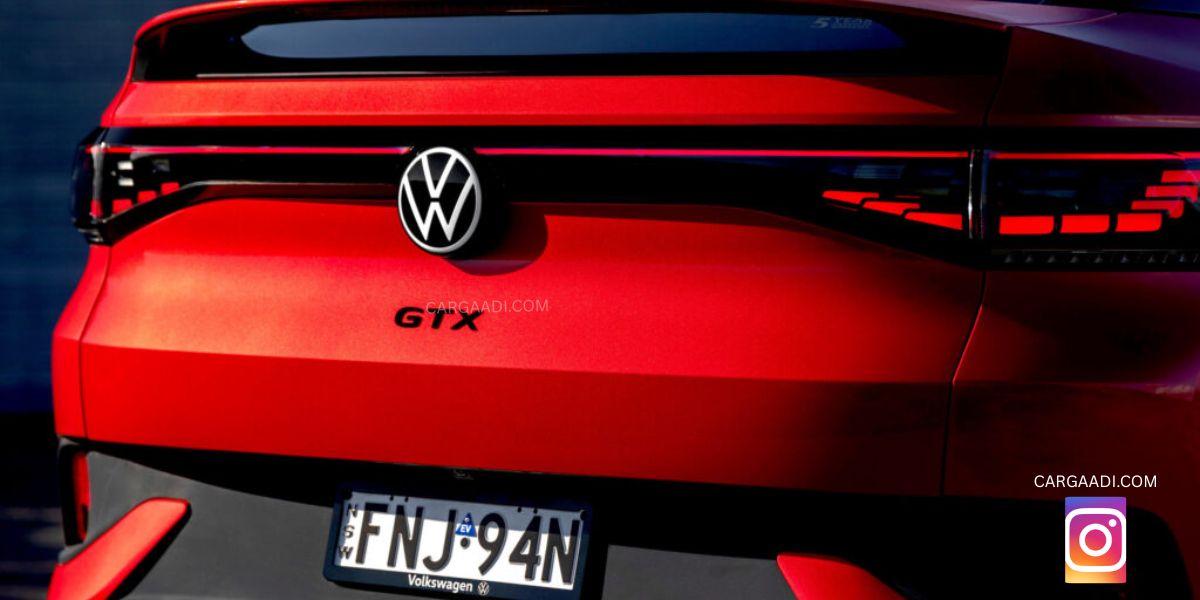
The global automotive industry is undergoing one of the biggest transformations in its history, and Volkswagen Group is preparing for a dramatic overhaul of its product portfolio.
According to recent reports, the German automotive giant could reduce nearly half of its global vehicle lineup by 2030 as it shifts its focus toward electric vehicles, software-defined cars, and more profitable models. The move is expected to simplify the company’s vast range of vehicles while improving efficiency and reducing development costs across its multiple brands, including Volkswagen, Audi, Skoda, SEAT, CUPRA, Porsche, and Lamborghini.
The strategy reflects changing customer preferences, stricter emission regulations, and the increasing demand for electrified mobility worldwide.
Why Volkswagen Is Planning Major Changes
Volkswagen Group currently offers one of the largest product portfolios in the automotive industry, with hundreds of model and powertrain combinations spread across its brands.
Maintaining such an extensive lineup has become increasingly expensive, especially as manufacturers invest billions of euros in electric vehicles, battery technology, autonomous driving systems, and advanced software platforms.
By streamlining its offerings, Volkswagen aims to:
- Reduce manufacturing complexity
- Improve profitability
- Speed up product development
- Focus on high-demand models
- Increase investment in future technologies
The company believes a leaner lineup will allow it to respond more quickly to changing market conditions while improving overall business performance.
Which Brands Could Be Affected?
Although Volkswagen has not confirmed the exact models that will be discontinued, the restructuring could impact several brands within the Volkswagen Group.
These include:
| Brand | Possible Focus |
|---|---|
| Volkswagen | Greater emphasis on electric SUVs and crossovers |
| Audi | Premium EVs and performance models |
| Skoda | Practical SUVs and family vehicles |
| CUPRA | Performance-oriented electric models |
| SEAT | Potential reduction in product range |
| Porsche | Electrification alongside iconic sports cars |
| Lamborghini | High-performance hybrid and electric supercars |
The final decisions will depend on global demand, profitability, and regional market requirements.
Electric Vehicles Will Lead The Future
Volkswagen’s long-term strategy places electric mobility at the centre of its future product plans.
The company is investing heavily in:
- Next-generation battery technology
- Dedicated EV platforms
- Software-defined vehicles
- Advanced driver assistance systems
- Digital connectivity
- Faster charging infrastructure
Several upcoming electric models across Volkswagen, Audi, Porsche, and Skoda are expected to replace multiple conventional petrol and diesel vehicles over the next few years.
Focus On Profitability
Instead of offering numerous overlapping models, Volkswagen plans to concentrate on vehicles that generate stronger demand and healthier profit margins.
SUVs, crossovers, premium electric vehicles, and performance-oriented products are expected to receive greater attention, while slower-selling models and duplicate offerings could gradually disappear.
This strategy also allows the company to optimise production and improve manufacturing efficiency across its global facilities.
What It Means For Customers
For buyers, a streamlined lineup could bring several benefits.
A reduced number of models may allow Volkswagen to focus on improving quality, introducing new technologies more quickly, and offering better-equipped vehicles.
At the same time, customers who prefer smaller niche models or traditional internal combustion engine cars may find fewer options available as electrification accelerates.
Looking Ahead
The coming years will be crucial for Volkswagen Group as it balances customer demand for conventional vehicles with the rapid transition toward electrification.
By 2030, the company expects a significant portion of its global sales to come from electric vehicles, supported by a simplified and more profitable product lineup.
Conclusion
Volkswagen Group’s reported plan to reduce nearly half of its vehicle lineup by 2030 marks one of the most significant product transformations in the company’s history. As the automotive industry embraces electrification and digital technologies, the German giant is focusing on efficiency, profitability, and future-ready mobility.
While some familiar models could disappear, the strategy is expected to strengthen Volkswagen’s competitiveness by allowing it to invest more heavily in electric vehicles, software innovation, and premium customer experiences.
Disclaimer
This article is based on publicly available reports and industry insights available at the time of writing. Volkswagen Group has not officially confirmed the complete list of models that may be discontinued. Future product plans, timelines, and model availability remain subject to official announcements from the company.