
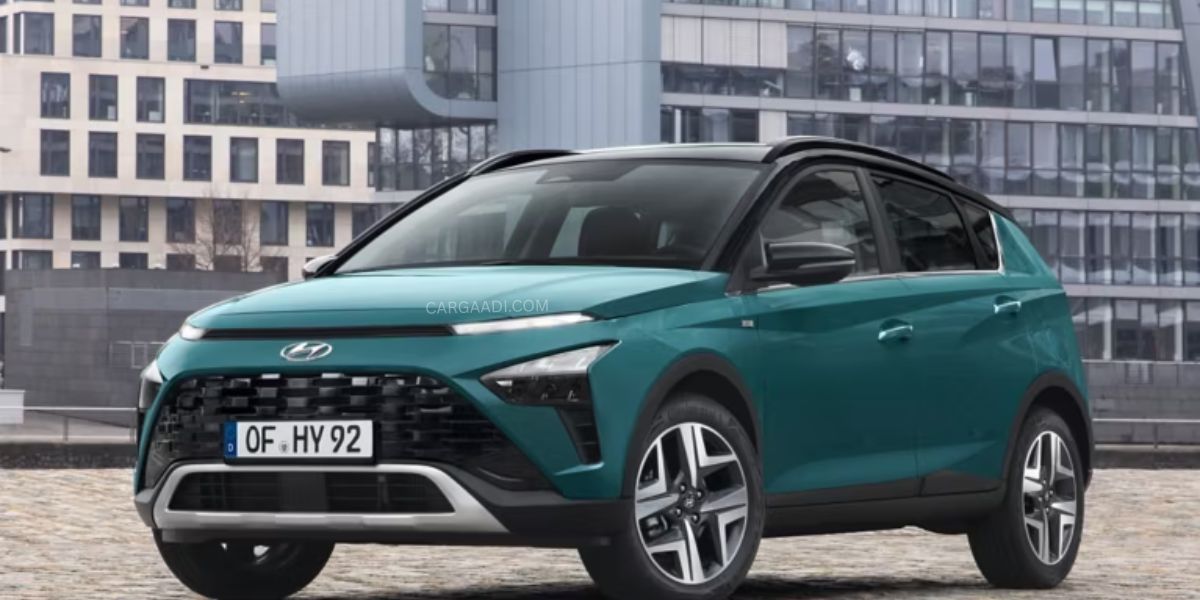
Hyundai appears to be gearing up for another important addition to its global SUV portfolio as the Bayon compact crossover has been spotted undergoing road tests ahead of its anticipated launch in late 2026. The latest sightings suggest that Hyundai is preparing updates for the popular urban SUV, bringing fresh styling elements, upgraded technology, and enhanced features to remain competitive in the rapidly evolving compact SUV segment.
The Bayon has already established itself as an attractive choice in several international markets thanks to its compact dimensions, efficient powertrains, and practical design. With testing now underway, excitement is building around what Hyundai could have in store for the next phase of the Bayon’s journey.
Hyundai Bayon Seen Testing Before Major Update
Recent spy shots indicate that Hyundai is actively evaluating the Bayon under real-world conditions. Although the test vehicle remains partially camouflaged, several design changes appear to be visible, hinting at a refreshed exterior and potential feature upgrades.
Manufacturers typically conduct extensive testing before introducing updated models, ensuring that performance, safety systems, and technology packages meet modern customer expectations. The Bayon’s latest appearance suggests that Hyundai is entering an advanced stage of development.
Why the Bayon Matters
Compact SUVs continue to be among the fastest-growing vehicle categories worldwide. Buyers increasingly prefer vehicles that combine SUV styling, elevated driving positions, practicality, and fuel efficiency without the size and expense of larger models.
The Hyundai Bayon was specifically developed to meet these needs, making it an important product within the company’s global lineup.
Fresh Design Updates Expected
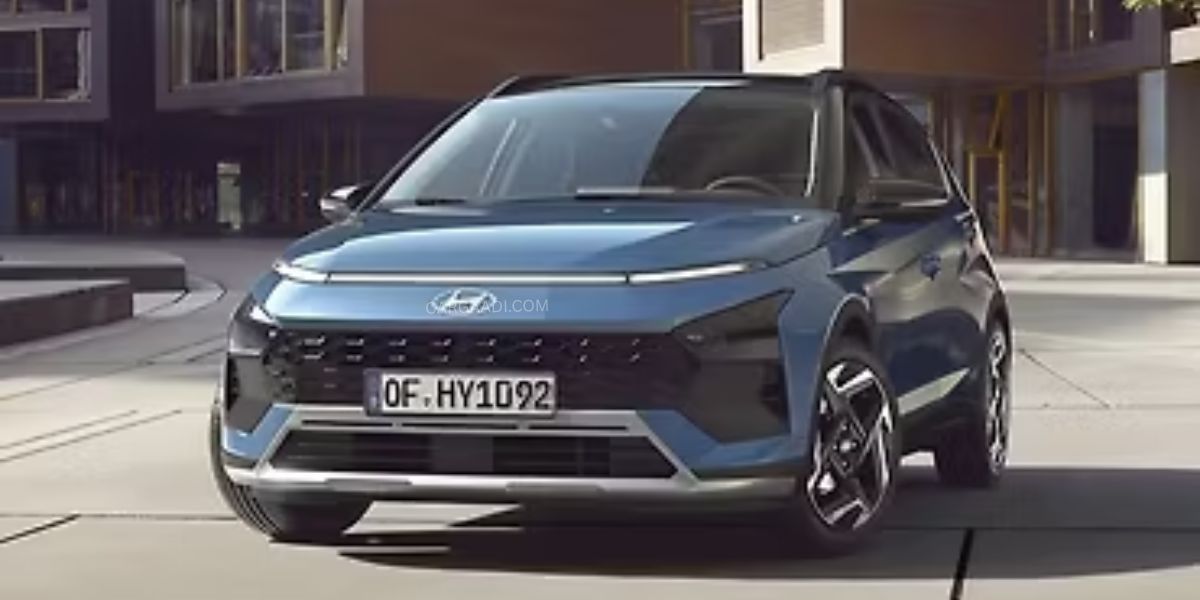
While camouflage conceals many details, the test vehicle hints at several styling revisions inspired by Hyundai’s latest design philosophy.
Industry observers expect updates to the front grille, redesigned LED headlamps, revised bumpers, and refreshed alloy wheel designs. These changes could help give the Bayon a more contemporary appearance while improving its visual connection with Hyundai’s newest models.
Sharper and More Premium Appearance
Modern SUV buyers place significant importance on design, and Hyundai has consistently focused on creating distinctive-looking vehicles.
The updated Bayon is expected to feature cleaner lines, improved detailing, and a more sophisticated overall appearance that enhances its appeal in competitive markets.
Interior Likely to Receive Technology Enhancements
The cabin is expected to benefit from several upgrades aimed at improving comfort, connectivity, and convenience.
Hyundai has steadily expanded its use of digital displays and connected-car technologies across its lineup, and the refreshed Bayon is likely to follow the same path.
Enhanced Connectivity for Modern Drivers
Expected interior upgrades may include larger infotainment screens, wireless smartphone integration, digital instrument clusters, connected vehicle services, and additional convenience features.
These improvements would help ensure that the Bayon remains competitive against newer rivals entering the compact SUV segment.
Powertrain Options Expected to Continue
Although Hyundai has not officially revealed technical specifications, the updated Bayon is expected to retain a range of efficient petrol-powered engines while benefiting from refinements aimed at improving efficiency and emissions performance.
Depending on the market, mild-hybrid technology could also continue to play an important role in the model’s powertrain lineup.
Focus on Efficiency and Everyday Usability
The Bayon has traditionally been positioned as a practical urban crossover. Efficient engines, comfortable ride quality, and compact dimensions have helped make it attractive to city-based customers.
Hyundai is expected to build on these strengths while introducing improvements that enhance the overall driving experience.
Expected Technical Specifications
| Specification | Expected Details |
|---|---|
| Model | Hyundai Bayon |
| Vehicle Type | Compact SUV / Crossover |
| Launch Timeline | Expected Late 2026 |
| Engine Options | Petrol and Mild-Hybrid |
| Transmission Choices | Manual and Automatic |
| Drive Configuration | Front-Wheel Drive |
| Seating Capacity | 5 Passengers |
| Technology Features | Connected Car Technology, Digital Displays |
| Safety Features | Advanced Driver Assistance Systems (Expected) |
Specifications are based on industry expectations and may change before the official launch.
Safety Upgrades Could Be a Key Focus
Safety continues to be a major priority for vehicle buyers, and Hyundai is expected to enhance the Bayon’s safety package.
The updated model could feature a broader suite of driver assistance technologies, helping improve occupant protection and driving confidence.
Advanced Driver Assistance Systems
Expected features may include adaptive cruise control, lane-keeping assistance, automatic emergency braking, traffic sign recognition, and blind-spot monitoring.
Such systems have become increasingly common in the segment and are likely to play a significant role in the Bayon’s appeal.
Expected Pricing Position
While official pricing details remain unavailable, Hyundai is expected to maintain the Bayon’s positioning as an affordable compact SUV.
| Variant Category | Expected Pricing Range |
|---|---|
| Entry-Level Variant | ₹10 Lakh – ₹12 Lakh* |
| Mid-Spec Variant | ₹12 Lakh – ₹14 Lakh* |
| Higher Variants | ₹14 Lakh – ₹16 Lakh* |
Prices are indicative estimates and may vary depending on market and specifications.
Competition in the Compact SUV Segment
The Bayon operates in one of the most competitive vehicle categories globally. Buyers today have more options than ever, making continuous product updates essential.
The refreshed model will likely compete against a variety of compact crossovers and urban SUVs that emphasize efficiency, practicality, technology, and value.
Hyundai’s Strategy Remains Clear
By continuously updating its products and introducing the latest technologies, Hyundai aims to maintain strong competitiveness across all major segments.
The Bayon represents an important part of this strategy, particularly among customers seeking a stylish and practical urban SUV.
What Can Buyers Expect?
If the latest test sightings are any indication, the updated Hyundai Bayon will likely arrive with improved styling, better technology, enhanced safety features, and refined powertrain options.
Rather than dramatically changing the formula, Hyundai appears focused on strengthening the model’s existing strengths while modernizing areas that matter most to today’s buyers.
Conclusion
The Hyundai Bayon’s latest testing appearance signals that an important update could be on the horizon ahead of an expected launch in late 2026. With refreshed styling, upgraded technology, enhanced safety features, and efficient powertrains, the compact SUV appears poised to remain a strong contender in its segment.
As Hyundai continues to expand and refine its global SUV lineup, the Bayon is expected to play an increasingly important role in attracting customers seeking practicality, efficiency, and modern design in a compact package.
Disclaimer
This article is based on spy photographs, industry reports, and market speculation regarding the Hyundai Bayon. Final specifications, features, launch timeline, pricing, and market availability may differ from the information mentioned above. Readers are advised to refer to official Hyundai announcements for the latest and most accurate details.