
Few industries protect their reputation for quality the way Japanese car companies do.
For decades, names like Toyota and Nissan became symbols of consistency, precision, and attention to detail. That reputation helped create enormous trust around the world.
So when both companies openly acknowledged that some American-built vehicles being exported to Japan may not match Japanese domestic finishing expectations, the headlines immediately caught attention.
At first glance, it sounds dramatic.
But the reality is less about reliability and more about something surprisingly specific—manufacturing expectations and customer standards.
Why Toyota and Nissan Are Saying This
As more U.S.-built vehicles begin entering Japan, both automakers have started adding notices explaining that these imported models were originally manufactured for overseas markets and may differ from Japanese domestic expectations.
That does not mean the vehicles are unsafe.
Instead, the warnings focus mainly on visible finishing details and regional differences.
Japanese customers have traditionally become accustomed to extremely high levels of cosmetic consistency, which means even minor differences can stand out more than they would in many other markets.
Which Vehicles Are Involved?
Current reports indicate the affected imports include selected American-built models entering Japan.
Toyota Models
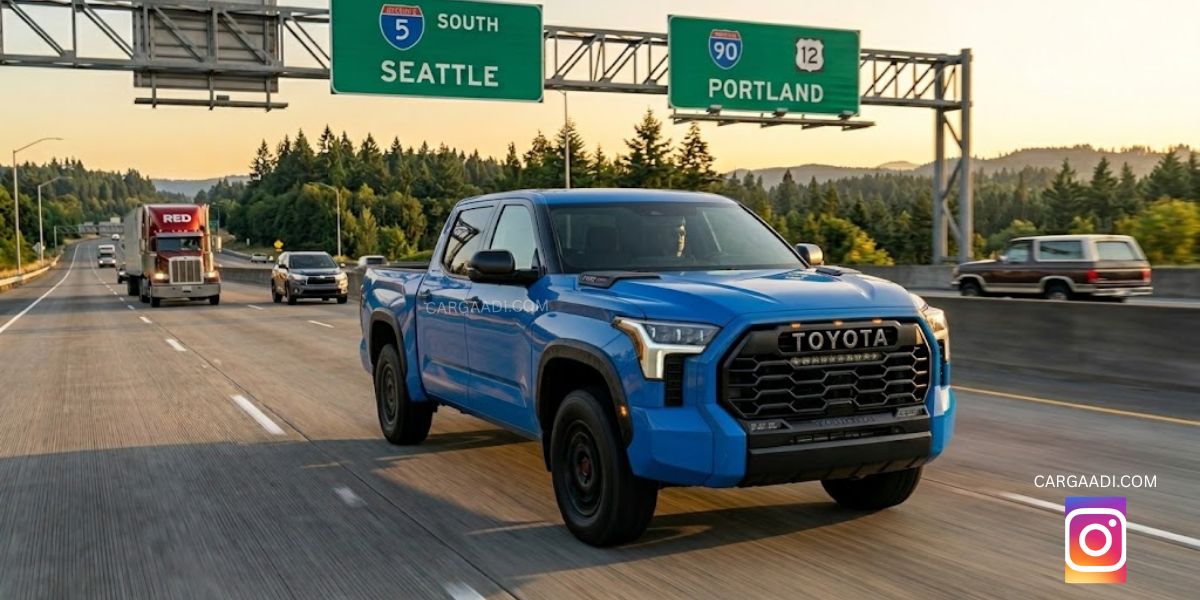
Toyota is reportedly importing the American-built Tundra and Highlander into Japan.
Nissan Model
Nissan is introducing the American-built Murano.
These vehicles remain designed primarily around overseas market requirements rather than Japanese domestic production expectations.
Expected Differences Mentioned by the Companies
| Category | Examples Mentioned |
|---|---|
| Paint Finish | Thin paint appearance or minor variations |
| Surface Quality | Light polishing marks |
| Exterior Alignment | Small panel gaps or uneven fit |
| Manufacturing Residue | Minor traces of sealant |
| Market Configuration | Some software and feature limitations |
| Vehicle Function | No impact on performance stated |
The notices reportedly emphasize that these differences do not affect normal operation or driving confidence.
Japanese Standards Are Exceptionally Difficult to Match
This Is More About Expectations Than Capability
One reason this story became so widely discussed is because Japanese buyers often expect extremely tight tolerances and near-perfect presentation.
Many domestic vehicles sold in Japan arrive with exceptionally controlled finishing standards.
That means details some customers elsewhere may never notice can become meaningful in that market.
This is especially true for paint texture, body alignment, and visible manufacturing consistency.
Does This Mean American Factories Build Worse Cars?
That conclusion would oversimplify the situation.
Automotive manufacturing changes depending on regulations, production volume, customer preferences, supplier networks, and regional requirements.
Factories often build vehicles differently because markets demand different outcomes.
American buyers may prioritize size, features, capability, and value.
Japanese buyers may place greater emphasis on visual finishing precision and presentation.
Different expectations naturally create different production targets.
Functionality Remains Unchanged
The notices reportedly clarify that these differences do not impact vehicle performance or usability.
Market Specifications Also Matter
Some imported vehicles may also include differences in language support, software availability, and local feature compatibility.
Why This Story Matters Beyond Toyota and Nissan
This moment highlights something bigger happening across the auto industry.
Global manufacturing has become incredibly connected, but customer expectations remain local.
A vehicle that feels perfectly acceptable in one country may be judged very differently somewhere else.
That does not automatically make one better than another.
It simply shows that quality is not always measured the same way everywhere.
Final Thoughts
Toyota and Nissan’s comments created attention because they challenged a common assumption—that one global standard automatically fits every market.
What these notices really reveal is how different customer expectations can shape manufacturing decisions.
The vehicles themselves are still expected to perform as intended.
But in Japan, even the smallest details can become part of the ownership experience.
Disclaimer
This article is based on publicly reported manufacturer notices and media reports available at the time of writing. The referenced comments relate primarily to cosmetic finish expectations, market specifications, and customer standards rather than claims about vehicle safety, durability, or mechanical reliability.