
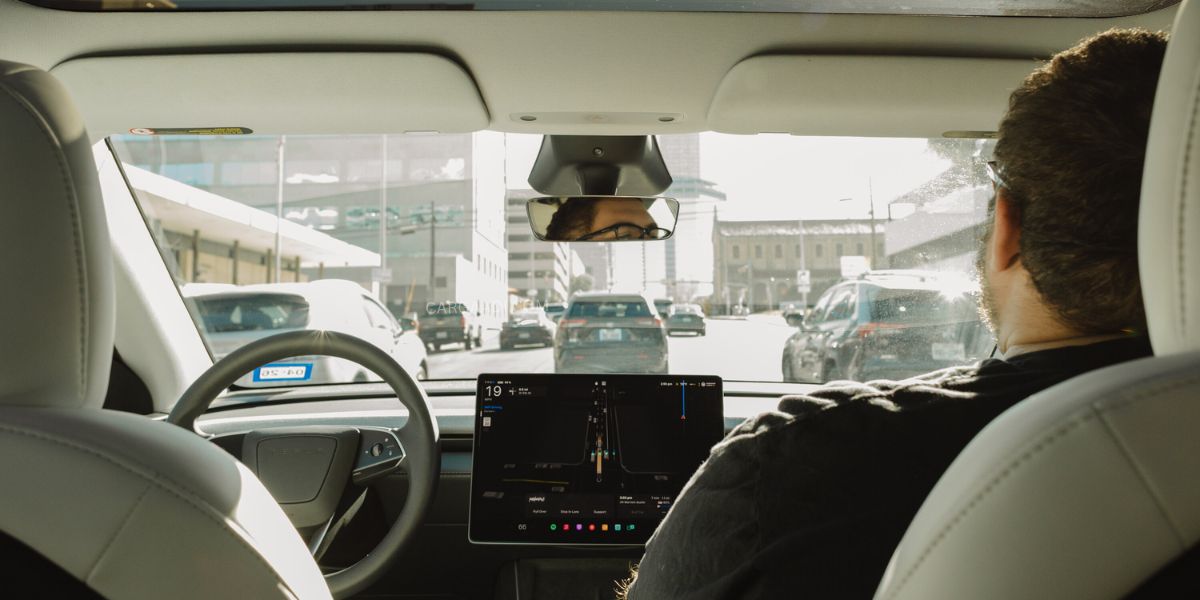
Tesla has received a significant boost in its push toward autonomous transportation, and Texas is once again at the center of the company’s robotaxi ambitions. Thanks to a new regulatory framework that allows companies to self-certify certain autonomous vehicle operations, Tesla now has a faster path to expanding its driverless taxi service across the state.
For Tesla, this is more than just a regulatory update. It represents a major opportunity to accelerate one of the company’s most important long-term goals: building a large-scale autonomous ride-hailing network that could eventually transform how people move around cities.
As competition in the self-driving industry intensifies, gaining a favorable operating environment gives Tesla an important advantage in a market where speed, scale, and technology leadership matter more than ever.
Why Texas Is Becoming Tesla’s Robotaxi Playground
Texas has gradually emerged as one of the most important states for autonomous vehicle development.
Unlike some regions that require lengthy testing approvals and multiple regulatory layers, Texas has historically taken a more business-friendly approach toward autonomous vehicle deployment. That environment has allowed companies to test and expand self-driving technologies more quickly.
Now, Tesla appears to be benefiting directly from updated regulations that create a formal pathway for commercial driverless operations across the state.
The New Advantage Tesla Just Received
Self-Certification Changes the Game
One of the biggest developments is Texas allowing companies operating Level 4 autonomous vehicles to self-certify compliance with safety and operational requirements under the state’s new framework. Tesla has reportedly completed this process for its robotaxi operation.
This means Tesla can move more quickly toward expanding commercial driverless services without navigating some of the longer approval structures seen in other states.
Faster Expansion Opportunities
The new framework gives Tesla a clearer path to scaling operations beyond limited pilot programs.
The company has already expanded robotaxi services into multiple Texas cities, including Austin, Dallas, and Houston, while continuing to test and refine its autonomous technology.
Tesla’s Robotaxi Vision Is Bigger Than Ride-Hailing
A Long-Term Business Strategy
For years, Tesla CEO Elon Musk has described autonomous transportation as a central part of Tesla’s future.
The company envisions a network where self-driving vehicles can provide ride-hailing services with minimal human involvement. If successful, this could create an entirely new revenue stream beyond traditional vehicle sales.
Cybercab Could Play a Major Role
Tesla is also preparing its purpose-built autonomous vehicle known as the Cybercab for future deployment.
Recent reports indicate that Tesla intends to integrate Cybercab models into its growing robotaxi ecosystem as operations expand.
Expected Robotaxi Technical Specifications
While Tesla continues refining its autonomous platform, the following table summarizes expected characteristics of its robotaxi system.
Technical Specifications Table
| Specification | Expected Details |
|---|---|
| Vehicle Platform | Tesla Model Y / Future Cybercab |
| Autonomy Level | Level 4 Self-Certified Operation |
| Powertrain | Fully Electric |
| Driving System | Tesla Full Self-Driving Software |
| Sensors | Camera-Based Vision System |
| Passenger Capacity | 2–5 Passengers |
| Connectivity | Real-Time Cloud Integration |
| Updates | Over-the-Air Software Updates |
| Operating Areas | Geofenced Urban Zones Initially |
Specifications may evolve as Tesla expands deployment.
Expected Pricing Model for Robotaxi Services
Although Tesla has not fully disclosed future pricing structures, industry expectations suggest the service will aim to compete directly with existing ride-hailing platforms.
Estimated Ride Pricing Structure
| Service Type | Expected Pricing |
|---|---|
| Short Urban Ride | Lower Than Traditional Ride-Hailing |
| Airport Transfers | Dynamic Pricing Possible |
| Premium Autonomous Ride | Variable by Demand |
| Subscription Models | Potential Future Offering |
Actual pricing will depend on market conditions, regulations, and operational scale.
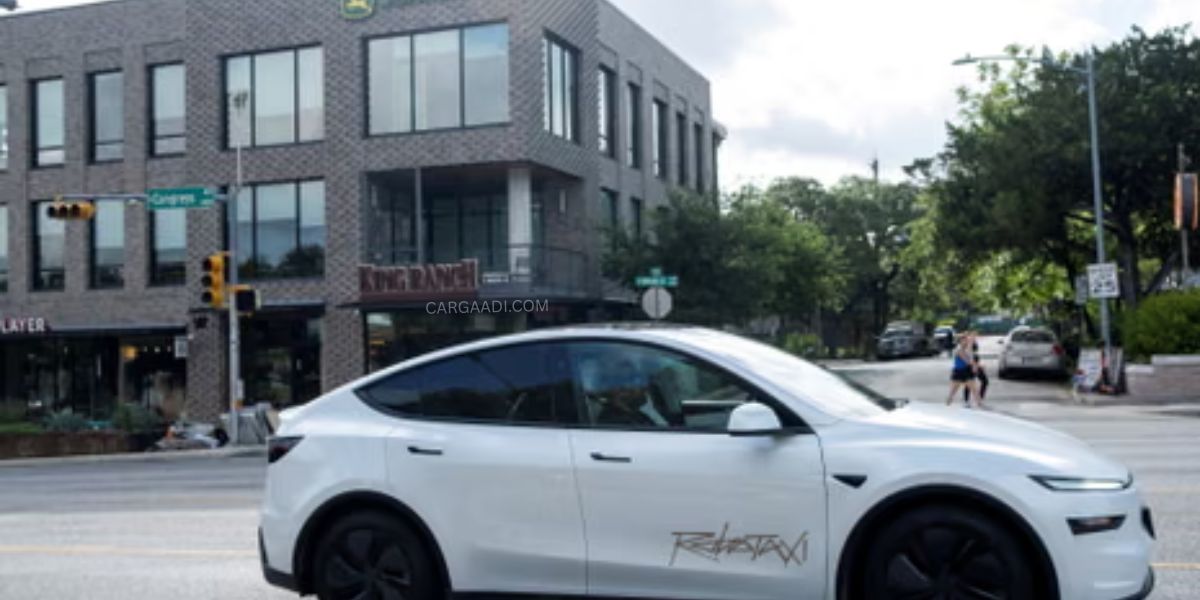
Tesla Still Faces Serious Competition
Waymo Remains the Current Leader
Despite Tesla’s regulatory advantage, competitors remain well ahead in fleet size.
Recent Texas records show that Waymo operates significantly more autonomous vehicles in the state than Tesla, giving it a substantial operational lead.
Scaling Safely Remains the Challenge
Expanding robotaxi services is not only about gaining approvals.
Companies must demonstrate consistent safety, reliability, and public trust while handling unpredictable real-world driving conditions. Tesla continues to face scrutiny regarding the performance and readiness of its autonomous technology.
Why This Matters for the Future of Transportation
The Texas development highlights how autonomous transportation is moving closer to mainstream adoption.
If Tesla successfully scales its robotaxi network, it could influence how cities approach mobility, vehicle ownership, and public transportation alternatives. The ability to summon a fully autonomous vehicle on demand may eventually become a normal part of everyday life.
However, achieving that future depends on solving complex challenges involving safety, regulation, infrastructure, and consumer confidence.
Final Thoughts
Tesla’s latest advantage in Texas gives the company a stronger foundation for expanding its driverless taxi ambitions. The new regulatory framework provides a clearer path for commercial autonomous operations and allows Tesla to move more aggressively in one of the most important autonomous vehicle markets in the United States.
While the company still trails some competitors in fleet size and continues to face questions about safety and scalability, this development represents an important step forward in its long-term robotaxi strategy.
The race for autonomous transportation leadership is far from over, but Tesla has just secured a valuable advantage in a state that could play a major role in shaping the future of driverless mobility.
Disclaimer
The information provided in this article is based on publicly available reports, regulatory updates, industry analysis, and media sources available at the time of writing. Autonomous vehicle regulations, operational approvals, technology capabilities, fleet sizes, pricing structures, and deployment timelines may change as new information becomes available. Readers should consult official Tesla statements and regulatory agencies for the most accurate and up-to-date information. This article is intended for informational purposes only and should not be considered legal, financial, investment, or transportation advice.