
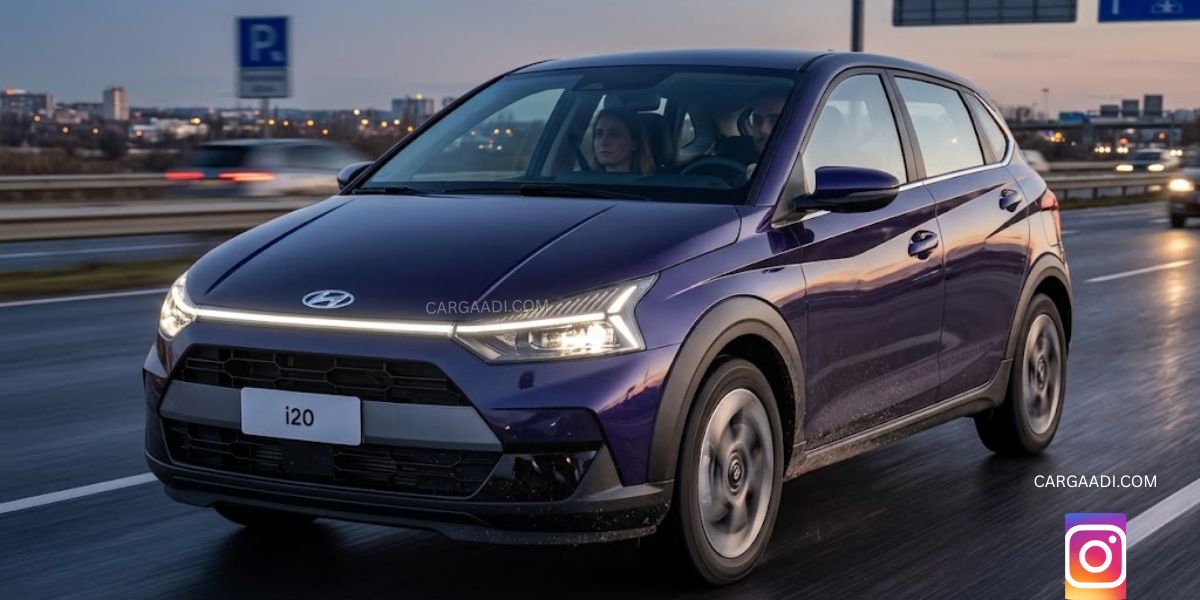
Small cars are changing, and Hyundai seems ready to embrace that shift in a big way. The all-new 2027 Hyundai i20 has officially broken cover globally and it no longer looks like a traditional hatchback. Instead, Hyundai has given its compact model a tougher stance, crossover-inspired styling, more technology, and a design language that feels much closer to a compact SUV than a city hatch.
This transformation reflects a broader trend happening around the world. Buyers increasingly want the practicality and efficiency of small cars but with the elevated look and presence of crossovers. Hyundai appears to have read that demand perfectly.
Hyundai Gives the i20 a Completely New Personality
At first glance, the new i20 feels like a major departure from the current model. The softer hatchback proportions have been replaced with a more upright silhouette, chunkier body treatment, and SUV-inspired details that create a stronger road presence.
The front receives connected lighting elements and a wider visual stance, while black cladding around the lower body and wheel arches gives the car a more adventurous character. Even though it remains a front-wheel-drive hatchback underneath, visually it moves much closer to compact crossover territory.
Design Changes That Stand Out
Some of the biggest highlights include:
- Full-width LED lighting design
- Larger proportions compared to the outgoing model
- Pronounced wheel arches with black cladding
- More upright roofline
- New dual-tone alloy wheel options
- SUV-inspired rear styling and connected tail lamps
Interior Receives a Major Technology Upgrade
The biggest transformation may actually be inside.
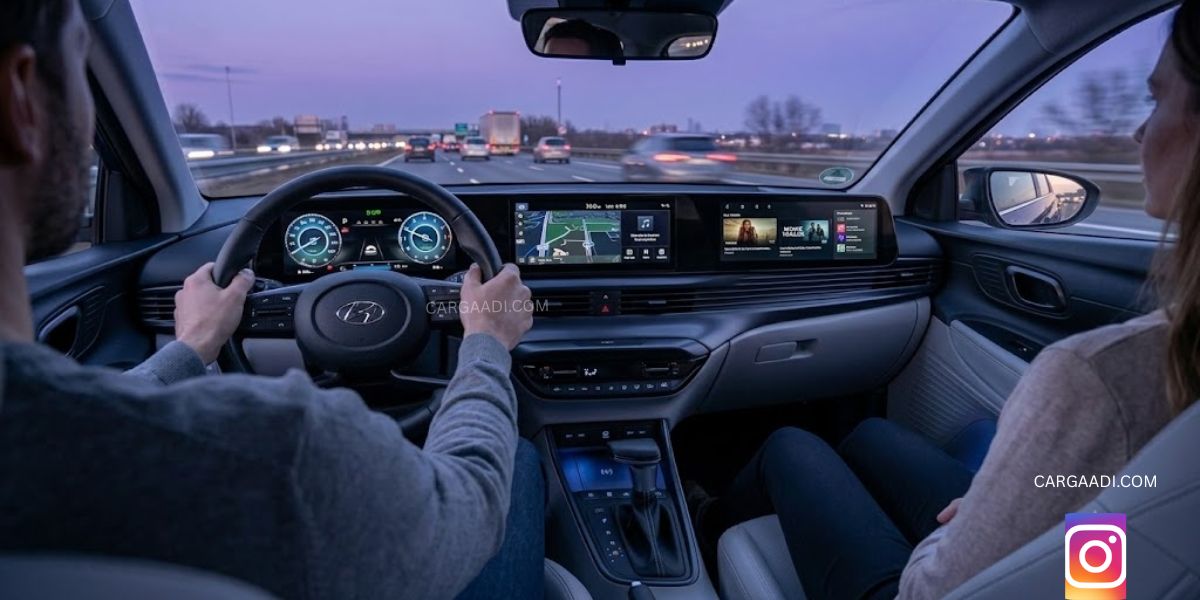
Hyundai has introduced a more premium cabin layout with a cleaner dashboard and larger digital displays. A new integrated dual-screen setup combines infotainment and driver information into one seamless visual experience. Reports indicate the screens measure around 12.3 inches and support connected technologies and wireless smartphone integration.
The company has also retained physical controls for important functions, helping balance modern technology with everyday usability.
Expected Cabin Features
Expected highlights include:
- Dual 12.3-inch digital displays
- Wireless smartphone connectivity
- Connected vehicle technology
- Electronic parking brake
- Wireless charging
- Advanced driver assistance systems (ADAS)
- Premium seating materials on higher trims
Engine Options Focus on Efficiency
For the initial Brazilian launch, Hyundai continues with combustion engines instead of full electrification.
The lineup includes naturally aspirated and turbocharged 1.0-litre engine options with gasoline and ethanol compatibility depending on market requirements. Future international versions could receive different engine calibrations and mild-hybrid possibilities.
Expected Technical Specifications
| Specification | 2027 Hyundai i20 |
|---|---|
| Vehicle Type | Premium Hatchback / Crossover-Inspired Hatch |
| Platform | Hyundai K3 Architecture |
| Engine Options | 1.0L Naturally Aspirated / 1.0L Turbo |
| Power Output | Up to 113 hp (Expected Market Dependent) |
| Transmission | Manual / Automatic |
| Drivetrain | Front-Wheel Drive |
| Wheel Size | Up to 17 Inches |
| Boot Capacity | 346 Litres |
| Technology | Dual Displays, ADAS, Connectivity |
Pricing and Market Positioning
In Brazil, the new i20 launches with pricing ranging from approximately R$99,990 to R$139,990, depending on trim and engine choice. That positions it as a premium compact offering with crossover-like appeal.
For markets like India and Europe, pricing and specifications are expected to vary depending on localization, powertrain choices, and feature availability. Reports suggest an India arrival could happen later depending on Hyundai’s future plans.
Why Hyundai Is Moving in This Direction
Traditional hatchbacks are facing increasing pressure from compact SUVs and crossovers. Customers often prefer vehicles that feel taller, tougher, and more versatile—even if they don’t necessarily need full SUV capability.
Hyundai’s answer appears to be simple: keep the compact footprint but give buyers the styling and experience they increasingly want. The result is an i20 that feels more emotional, more modern, and more aligned with global market trends.
Conclusion
The new Hyundai i20 is no longer trying to be just another premium hatchback. With crossover-inspired styling, upgraded technology, larger proportions, and a more premium cabin, Hyundai has repositioned the i20 for buyers who want SUV character without moving into a larger vehicle category.
If future versions stay close to this global design direction, the i20 could become one of Hyundai’s most dramatic transformations in recent years.
Disclaimer
This article is based on globally revealed specifications, media reports, and early market information available at the time of writing. Final specifications, features, launch timing, pricing, and availability may vary depending on region and official announcements from Hyundai.