

India is currently facing one of the harshest summer heatwaves in recent years, and many cities across the country are experiencing dangerously high temperatures. From Uttar Pradesh to Maharashtra and Gujarat, people are battling intense sunlight, sleepless hot nights, and rising health concerns as temperatures continue to climb.
For many families, stepping outside during the afternoon now feels exhausting and uncomfortable. Roads appear empty, markets slow down, and daily life becomes difficult under the burning summer sun. Weather experts say this extreme heat is arriving earlier and stronger than expected, creating serious concern across several states.
India Turns Into a Heatwave Zone
The India Meteorological Department and weather trackers have reported that several Indian cities are among the hottest places in the world right now. In some regions, temperatures have crossed 45°C, while a few areas have even moved close to 47°C.
Experts believe the combination of dry winds, clear skies, and delayed weather relief is making conditions worse across northern and central India. Even mornings are no longer cool, leaving people feeling tired and dehydrated throughout the day.
Uttar Pradesh Faces Dangerous Heat
Cities in Uttar Pradesh are currently experiencing some of the most extreme temperatures in the country.
According to recent weather reports, Banda recorded around 47.6°C, making it one of the hottest places in India this season. Other cities including Prayagraj, Etawah, Fatehpur, and Orai also reported extremely high temperatures close to 46°C.
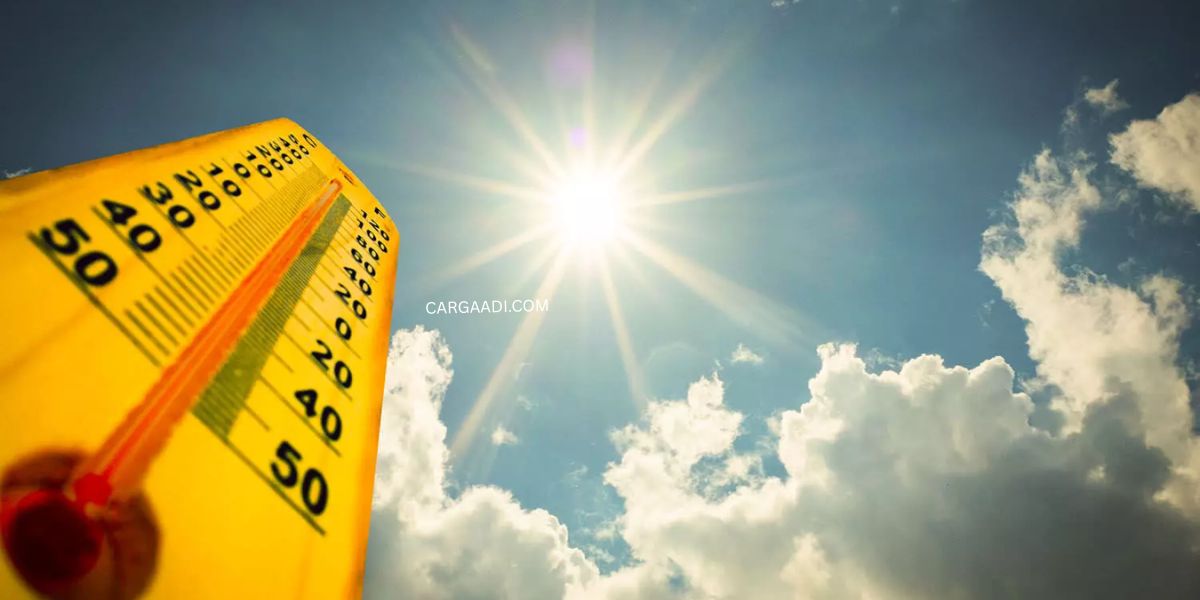
Residents in these areas are struggling with hot winds, dry air, and unbearable daytime conditions. Many people are avoiding outdoor activities during peak afternoon hours because even short exposure to the sun can feel exhausting.
Maharashtra Also Experiences Severe Heat
Several cities in Maharashtra are also dealing with intense heatwave conditions.
Akola and Amravati Among the Hottest
Weather updates show that Akola, Amravati, and Wardha crossed 45°C during recent heatwave days, making them some of the hottest locations in the country.
People living in these cities have reported discomfort during both daytime and nighttime because temperatures remain high even after sunset. Doctors are advising citizens to stay hydrated and avoid unnecessary travel during the hottest hours of the day.
Gujarat Continues to Suffer Under Rising Temperatures
Gujarat has also seen severe summer heat this month.
Ahmedabad and Rajkot Stay Extremely Hot
Ahmedabad recently recorded temperatures above 43°C, while Rajkot and Surendranagar also remained under intense heat conditions.
Although some areas received brief relief from changing wind patterns, weather experts warn that the heat may continue for several more days.
Why Is India Becoming So Hot?
Climate experts say several factors are contributing to this extreme weather situation.
Early Summer Heatwaves
This year’s summer arrived earlier than usual, causing temperatures to rise rapidly even before the peak summer season fully began. Clear skies and dry northwestern winds are trapping heat over large regions of the country.
Climate Change Concerns
Many environmental experts also connect these rising temperatures with global climate change. Urban heat, pollution, deforestation, and changing weather patterns are believed to be increasing the intensity of heatwaves across India.
How People Are Coping With the Heat
Across many cities, people are changing their daily routines to avoid heat exposure. Streets become quieter during the afternoon, and many families prefer staying indoors whenever possible.
Doctors recommend drinking enough water, wearing light cotton clothes, and avoiding direct sunlight during peak daytime hours. Children, elderly people, and outdoor workers are considered especially vulnerable during severe heatwaves.
Some Cities Receive Temporary Relief
While many regions continue to struggle with extreme temperatures, a few cities such as Gurgaon, Nagpur, and parts of Mumbai recently experienced temporary cooling because of rain and thunderstorms.
However, weather experts say the relief may not last long as temperatures are expected to rise again in several states.
The Emotional Impact of Extreme Summer
Beyond physical discomfort, continuous heat also affects mental well-being. Sleepless nights, power cuts, dehydration, and exhaustion can increase stress and frustration among people. For workers, farmers, delivery staff, and daily wage earners, surviving under extreme heat becomes even more difficult.
Many families are now eagerly waiting for the monsoon season to bring cooler temperatures and much-needed relief.
Disclaimer
This article is written for general informational and educational purposes only. Weather conditions and temperatures may change rapidly depending on local forecasts and environmental conditions. Readers are advised to follow updates from official weather departments and local authorities for accurate and real-time information. Stay hydrated, avoid unnecessary heat exposure, and seek medical help if you experience symptoms related to heat exhaustion or dehydration.