
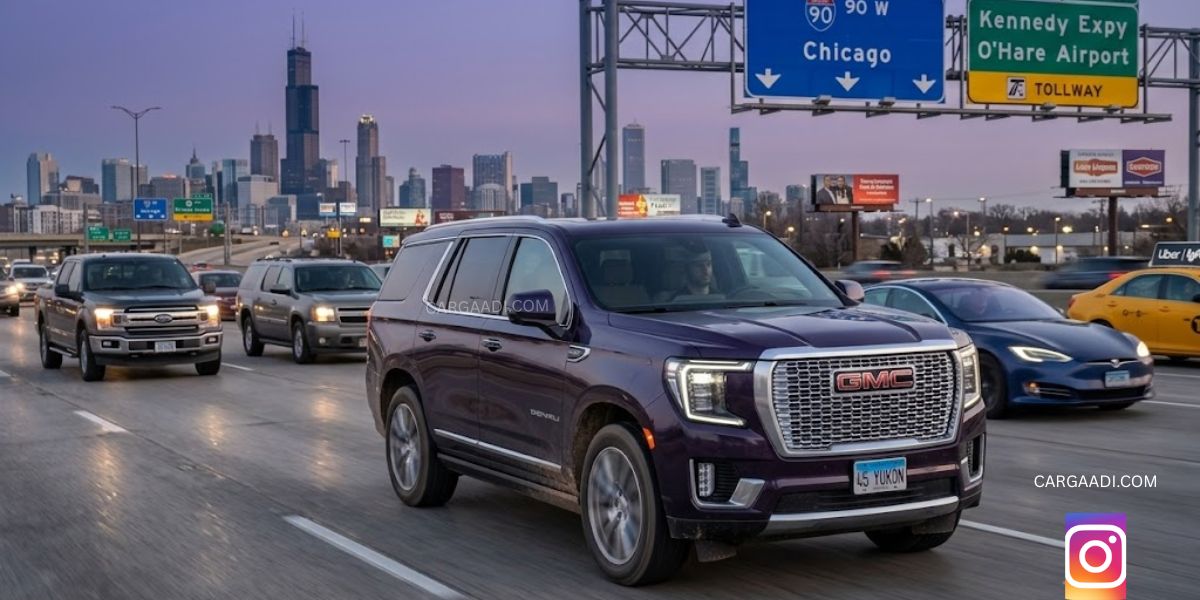
A new legal battle is drawing attention to a side of the automotive business most buyers rarely see. A GMC dealership in New York has filed a lawsuit against General Motors, claiming the automaker deliberately restricted deliveries of new vehicles in a way that damaged the dealership’s business and reputation.
The case has sparked discussion across the industry because it goes beyond sales performance—it questions how vehicle allocation systems affect dealers and whether supply decisions can reshape local retail networks.
Long Island GMC Dealer Accuses GM of Restricting Inventory
The dispute involves Sun GMC, a dealership located in Wantagh, New York.
According to the lawsuit, the dealership claims General Motors reduced the number of vehicles allocated to its location over several years, making it increasingly difficult to remain competitive and meet internal performance expectations. The lawsuit alleges that limited supply created financial pressure and weakened the store’s public image.
Sun GMC is reportedly seeking at least $15 million in compensatory damages.
The Core Allegation: Inventory Supply Became the Pressure Point
Vehicle allocation is one of the most important parts of dealership operations.
Dealers depend on manufacturers to supply enough vehicles to meet customer demand. According to the complaint, Sun GMC argues that lower allocation levels created a cycle where reduced inventory led to lower sales numbers, which then affected performance measurements and business opportunities.
The dealership also alleges that it was encouraged to acquire inventory from other dealers rather than receiving sufficient direct allocation from GM.
According to the complaint, sourcing vehicles this way increased acquisition costs by roughly $2,000 per vehicle, placing additional pressure on profitability.
How Vehicle Allocation Became Central to the Case
The lawsuit points to a sharp change in inventory levels over time.
Reported figures cited in the complaint indicate:
| Year | Vehicles Allocated |
|---|---|
| 2017 | 1,200 Units |
| 2023 | 380 Units |
| 2024 | 426 Units |
| 2025 | 501 Units |
The dealership argues these numbers do not reflect actual customer demand and says it sold most of the vehicles it received.
Dealership Says Lower Inventory Hurt More Than Sales
The complaint argues that the impact extended beyond vehicle deliveries.
According to filings described in reporting, the dealership claims lower inventory affected customer perception, employee confidence, recognition programs, and participation opportunities within GM’s dealer network.
The lawsuit also reportedly states that lower performance metrics prevented dealership leadership from qualifying for certain internal programs and industry representation opportunities.
The Bigger Question Facing the Industry
Dealer-manufacturer relationships have historically been complex.
Automakers seek efficient distribution and stronger performance standards, while dealers often depend on stable product supply to maintain operations. Disagreements over territory, allocation, incentives, and profitability are not uncommon, but lawsuits focused specifically on inventory distribution attract significant attention because of their broader implications.
GM’s Position Remains Important to Watch
At the time of reporting, the lawsuit represents allegations made by the dealership and has not been proven in court.
General Motors has not been found liable, and legal proceedings will ultimately determine whether the allocation decisions violated agreements or reflected normal business operations.
Why This Story Matters Beyond One Dealer
For customers, dealership inventory directly affects:
- Vehicle availability
- Waiting periods
- Pricing flexibility
- Trade-in opportunities
- Access to specific trims and configurations
Cases like this highlight how supply decisions behind the scenes can eventually influence the buying experience consumers see on showroom floors.
Conclusion
The lawsuit filed by Sun GMC introduces a difficult question for the automotive industry: where does manufacturer inventory strategy end and unfair business pressure begin?
The dealership claims General Motors gradually reduced supply in a way that effectively pushed the business toward failure, while the final legal outcome will depend on evidence presented through the court process.
For now, the case offers a rare public look into how modern dealership networks operate behind the scenes—and why inventory allocation can become as important as the vehicles themselves.
Disclaimer
This article is based on publicly reported legal claims and media coverage available at the time of writing. Allegations described in the lawsuit remain unproven unless established through legal proceedings or official court findings. Readers should consider that claims made by either party may evolve as the case progresses.